Designing a Moody Bedroom with Neutral and Deep Colors
Designing a bedroom that feels both relaxing and visually striking can be surprisingly challenging. Too many dark tones can make a space feel cramped and heavy, while too many light colors can render it bland or uninspiring. The key to achieving balance lies in the interplay between soft neutrals and deep, saturated colors. Soft neutrals, like ivory, taupe, blush, and pale gray, create a calming, airy backdrop that allows your bedroom to breathe. Deep colors such as navy, emerald green, charcoal gray, burgundy, deep plum, and burnt sienna add richness, warmth, and sophistication.
When these palettes are layered thoughtfully, they transform a bedroom into a moody bedroom that feels cozy yet elegant, dramatic yet welcoming. The contrast between soft and deep tones creates a sense of depth and dimension, while the careful balance of warmth and coolness ensures the space remains inviting. A well-designed moody bedroom is not only visually compelling but also emotionally restorative, a sanctuary where you can unwind after a long day, surrounded by the perfect harmony of color, texture, and ambiance.
In this blog, we’ll explore how and why soft neutrals and deep colors work so well together, offering practical insights for creating a bedroom that is timeless, layered, and full of personality.
Colors influence how we feel, perceive space, and even how we rest. Soft neutrals, including ivory, pale gray, blush, and taupe, evoke calmness, serenity, and a sense of clarity. They provide a breathable backdrop that encourages relaxation, making them ideal for creating a peaceful bedroom environment.
Deep colors, on the other hand, like navy, emerald green, charcoal gray, burgundy, and deep plum, bring emotional depth, intimacy, and visual intrigue. They can make spaces feel cozy and enveloping, perfect for creating a moody bedroom that balances restfulness with sophistication.
The Emmett TENCEL™ Bedding Set is a great first step bedding option that helps increase the quality and luxury of your bedroom.
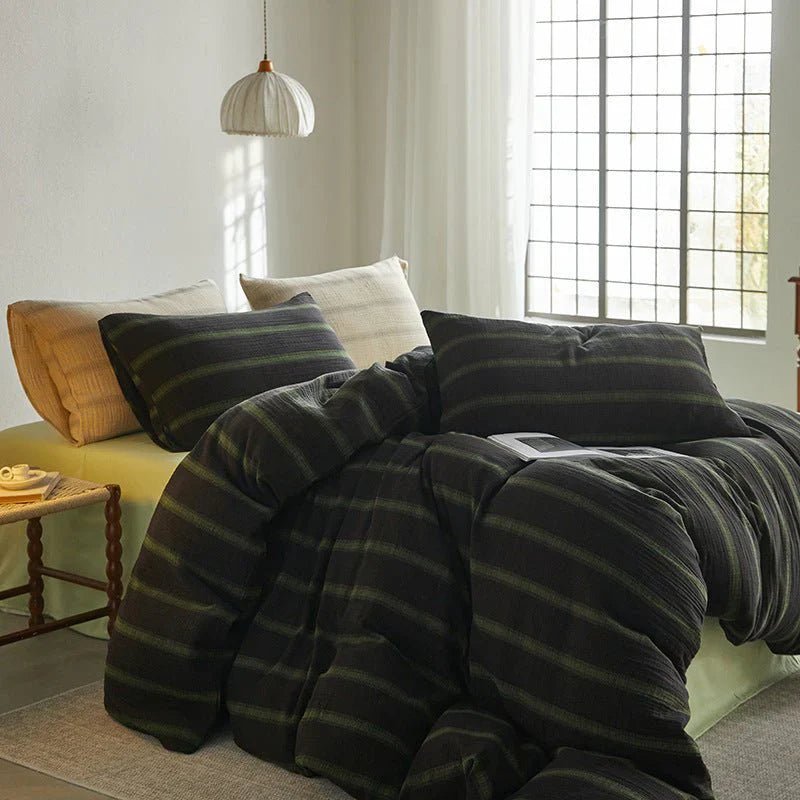
Combining these palettes thoughtfully allows you to craft a room that feels layered and emotionally resonant. For example, pairing a soft beige wall with a deep emerald green velvet headboard can create a luxurious and grounding focal point. Similarly, deep plum bedding on pale taupe walls evokes intimacy without overwhelming the senses. Understanding color psychology and the emotional effect of both soft neutrals and deep hues ensures your moody bedroom supports relaxation while also feeling dynamic and thoughtfully curated.
Find lifelong pieces that are both luxurious and sustainable in Ever Lasting's Washed Cotton Collection
Discover smart choices for your moody bedroom...
Layering for Depth and Dimension
Layering is one of the most effective ways to create a bedroom that feels rich, cozy, and visually interesting. In a moody bedroom, layering soft neutrals with deep colors helps build depth without overwhelming the space. Instead of relying on a single bold color or a flat neutral palette, the goal is to gradually introduce contrast through a mix of tones, textures, and materials. This layered approach gives the room a curated, intentional feel while maintaining balance.
A good starting point is a neutral foundation. Soft neutral walls, like pale gray, ivory, or warm taupe, act as a calm backdrop for deeper accents. From there, richer tones can be added through key pieces such as a headboard, curtains, or an accent chair.
For example, a deep navy velvet headboard against beige walls instantly creates a focal point, while charcoal gray curtains paired with ivory bedding add contrast without making the room feel heavy.
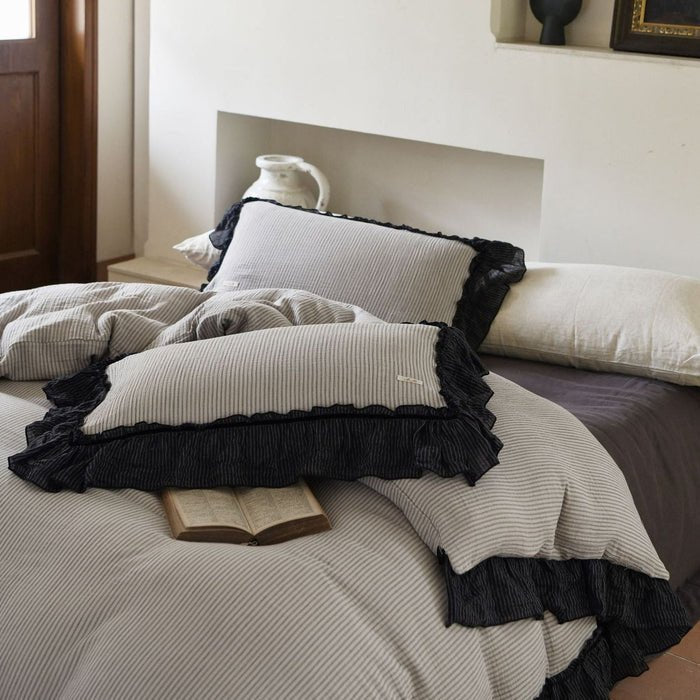
Bedding is another great opportunity to layer color in a moody bedroom. Instead of using one uniform tone, combine light and dark elements. Cream sheets can keep the bed feeling fresh, while a deep plum duvet or emerald green quilt introduces richness. Adding a burnt sienna throw or a charcoal knit blanket at the foot of the bed enhances warmth and gives the space a more dimensional look.
Texture is just as important as color when building layers. Materials like velvet, linen, wool, and natural wood interact with light differently, adding subtle variation even within similar shades. A navy velvet pillow next to a matte charcoal linen cushion, for instance, creates contrast while maintaining a cohesive palette.
These details help ensure a moody bedroom feels inviting and sophisticated rather than dark or flat.
Try exploring luxury bedding options to elevate your experience in our Best Sellers Collection.
Pieces to help develop your moody bedroom...
Balancing Warmth and Coolness
One of the secrets to designing a successful moody bedroom is balancing warm and cool tones. Deep colors often carry strong visual weight, so pairing them with complementary neutrals helps maintain harmony. When done well, this balance ensures the room feels cozy and inviting rather than overly dark.
Warm neutrals such as cream, sand, and taupe pair beautifully with cooler deep shades like navy, charcoal gray, or deep teal. The contrast between warm and cool tones adds subtle tension that makes the design feel dynamic.
For example, taupe walls paired with deep navy bedding create a sophisticated palette that feels calm yet visually striking.
Cool neutrals can also balance warmer, deeper colors. Pale gray or soft blush tones work particularly well with burgundy, burnt sienna, or deep plum. These combinations soften the intensity of darker shades while still preserving the richness that defines a moody bedroom. The result is a palette that feels layered and harmonious.
Lighting and natural sunlight also influence how these colors interact. Rooms with abundant natural light can support deeper tones on walls or larger furniture pieces, while darker spaces may benefit from lighter neutrals with deeper accents. Paying attention to this balance ensures your moody bedroom feels warm, comfortable, and visually balanced.
View the Ever Lasting Everyday Luxury collection to find upgrades that speak to your personal style.
Key pieces to create comfort in your moody bedroom...
Flexibility Across Styles
One reason soft neutrals and deep colors are so popular in bedroom design is their versatility. This combination works across a wide range of aesthetics, from modern minimalism to rustic or classic interiors. Because neutrals serve as a flexible foundation, deeper colors can easily adapt to different design styles while still creating a cohesive, moody bedroom.
In a modern setting, pale gray walls paired with navy bedding and black accents create a sleek, contemporary look.
Minimal furniture and clean lines allow the darker tones to act as bold visual anchors within the space. This approach gives the room a refined and understated version of the moody bedroom aesthetic.
For a more rustic or cozy design, deeper nature-inspired colors work beautifully. Forest green curtains, charcoal wool blankets, and warm taupe walls evoke the feeling of a comfortable retreat. Natural wood furniture and woven textures can further enhance the warm, layered atmosphere that defines a moody bedroom.
Classic interiors can also benefit from this palette. Deep burgundy bedding paired with ivory walls and brass accents creates an elegant and timeless feel. Because soft neutrals allow deep colors to stand out without overwhelming the space, this combination remains adaptable no matter how your style evolves.
The Minimalist Collection is a great place to discover bedding upgrades that are refreshing for your new phase of life.
Discover luxury bedding to maintain elegance in your moody bedroom...
Accessorizing to Enhance the Mood
Accessories are often what bring a moody bedroom fully to life. While walls and furniture establish the main palette, smaller decorative elements help reinforce depth and cohesion throughout the space. Carefully chosen accessories allow deeper tones to appear throughout the room without feeling repetitive.
Throw pillows, blankets, and rugs are particularly effective for introducing color. A navy velvet pillow, a charcoal knit throw, or a burnt sienna accent cushion can subtly echo the deeper tones used elsewhere in the room.
These pieces create small focal points that guide the eye and strengthen the layered design.
Pieces like the British Vintage Plaid Bedding Set are great additions to your room due to its combination of quality and quiet luxury aesthetic.
Decorative objects also help reinforce the overall mood. Deep emerald vases, burgundy ceramics, or dark wood picture frames add richness while still complementing neutral surroundings. When paired with lighter bedding or walls, these accents enhance the contrast that makes a moody bedroom feel dynamic.
Finally, metallic finishes can elevate the entire look. Brass lamps, matte gold frames, or bronze hardware reflect light softly and bring warmth to darker palettes.
When combined with soft neutrals and deep colors, these finishing touches complete the design and ensure the moody bedroom feels cozy, sophisticated, and beautifully balanced.
Soft neutrals and deep colors work together to create bedrooms that are layered, inviting, and visually captivating. Neutral shades like ivory, blush, taupe, and pale gray offer a serene foundation, while deep hues such as navy, emerald green, deep plum, charcoal gray, burgundy, and burnt sienna add drama, depth, and warmth.
By layering textures, balancing warmth and coolness, and accessorizing thoughtfully, you can craft a moody bedroom that is both stylish and restful, a space that feels timeless, cozy, and full of personality. Embracing this combination of soft and deep tones is the ultimate way to create a bedroom that invites you to relax, unwind, and linger.
Shades like ivory, taupe, and pale gray provide a calm foundation that keeps a moody bedroom feeling light, relaxed, and inviting even when darker colors are used
Deep colors add warmth and depth
Rich tones such as navy, emerald green, charcoal gray, and deep plum introduce drama and sophistication, giving a moody bedroom its cozy and layered atmosphere
Layering tones and textures enhances the mood
Combining soft neutrals with deep colors through bedding, furniture, and accessories creates dimension, making a moody bedroom feel rich, balanced, and thoughtfully designed
What’s the best way to maintain privacy in a shared space?
Define soft boundaries with rugs, curtains, or furniture placement. Even visual cues — like a personal chair or corner — help maintain comfort while keeping the room open and inviting.
How can couples or roommates handle different sleep or light preferences?
Layered lighting is key. Use bedside lamps or dimmable lights for personal control. Eye masks and blackout curtains (like Everlasting’s cozy sleep sets) also create individualized rest zones.
How do I make a shared bedroom feel personal without overwhelming the other person’s style?
Start with a calm base palette, then layer in individuality through accents — throws, framed photos, or personalized pajamas and slippers. Subtle details add intimacy without clutter.
How often should a shared room be refreshed or redecorated?
Seasonal refreshes are ideal. Switch bedding, rearrange décor, or introduce a new scent or plant. These changes keep energy flowing and the environment emotionally fresh.
Striped bedding is a timeless pattern that adds structure and effortless character to bedrooms. In this guide, we explore how striped bedding creates relaxed, lived-in spaces and how to style it wi...
Striped bedding is a timeless pattern that adds structure and effortless character to bedrooms. In this guide, we explore how striped bedding creates relaxed, lived-in spaces and how to style it wi...
Ever Lasting designs thoughtful home essentials that bring a quiet sense of calm to everyday life. Made with long-lasting natural materials and refined to soften with time, our pieces are created for comfort that’s meant to be lived in and loved, for years.
Join the bedroom makeover. Share your space with us using #EverLastingFabric on Instagram and Facebook.
Your wishlist
Please add product to your wishlist to see them here.