Why Your Bedroom Feels Overstimulating (And How to Fix It)

I used to think my bedroom was fine. It looked good on Instagram—cute, minimal, all the things. But the moment I walked in after a long day, something would hit me. This weird tension. Like my brain couldn't actually turn off, even though everything looked "relaxing."
I'd lie there at night thinking why isn't this working? My room was decorated. It was clean. But it felt like my nervous system was still on high alert. Turns out, pretty doesn't always equal peaceful.
That's when I realized it wasn't about what I added. It was about what was creating noise—visual noise, sensory overload, all the little things that make your body stay tense instead of actually resting. Bad lighting. Too much clutter. The wrong textures. Even bedding that looked good but felt like it was working against me instead of for me.
The shift came when I stopped decorating and started designing for peace. Small changes. Real results. And honestly? It changed everything.
If your bedroom looks good but doesn't feel good, this is for you.
Build Your Relaxing Bedroom: Shop This Aesthetic
Why Your Bedroom Isn't Relaxing (Even Though It Looks Good)


My room looked curated. But there was so much happening. Photos everywhere. Decorations competing for attention. Colors that didn't quite match. Patterns clashing. My eyes had nowhere to rest, which meant my brain had nowhere to rest either. A relaxing bedroom doesn't need to look magazine-perfect. It needs to feel quiet. Visually quiet. That means fewer things, more intention, and less "busy" energy.
Real talk: clarity is calming.
When you clear the visual clutter, your nervous system immediately notices the difference.


Small changes that make a big difference:
- Swap cool white bulbs for warm white lighting
- Use bedside lamps instead of relying only on overhead lights.
- Dim the lights 1 to 2 hours before bed to help your body wind down.
- Choose soft, indirect lighting that creates a calm atmosphere.
- Avoid bright blue-toned lights right before sleep.
Bedding That Doesn't Support Peace
Even good-looking bedding can work against you if it doesn't feel right. Scratchy. Too hot. Too thin. Every night becomes a battle with your own sheets instead of a ritual of rest. Your bedding needs to feel like it's supporting your peace, not interrupting it.
How your bedding affects relaxation is real. The right fabrics make all the difference. Try our Cooling Assorted Tencel Sheets for a comfortable nights' sleep.
Achieve A Similar Look With:
How Your Bedding Affects Relaxation


Here's what nobody talks about: your bedding is literally touching your skin for 6-8 hours a night. If it's creating friction—literally or energetically—your nervous system knows.
I used to think it was just about thread count or how pretty my Bedroom looked. But the real shift came when I realized my bedding was actually against me. Too hot. Too stiff. Didn't breathe. Every time I moved, there was this micro-tension.
The moment I switched to breathable fabrics that actually let my body relax—linen, quality cotton—everything changed. My nervous system could finally settle.
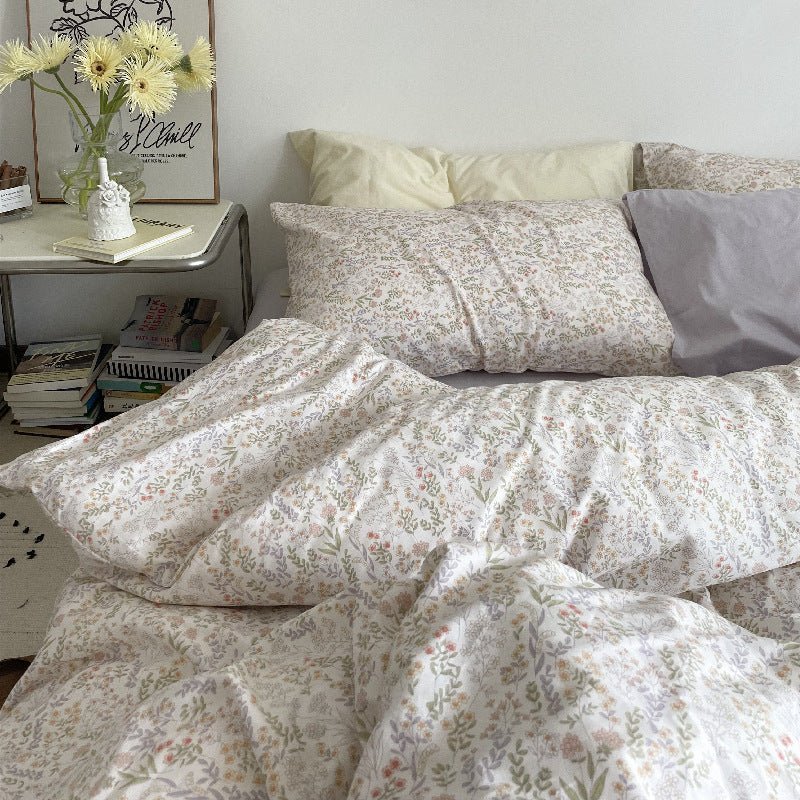
The Silky Ruffle Bedding Set isn't just soft. It's designed to feel like rest. Like your body is actually supported, not just covered. And the Plant Based Duvet Insert Comforter—it breathes with you instead of against you.
That's the difference between pretty bedding and bedding that actually works for stress-free sleep.
Soft textures signal safety to your body. Choose them intentionally.
The Simple Fixes


You don't need to redesign your entire space. Small shifts create big changes.
Lighting: Swap harsh overhead lights for warm, dimmable options. Warm lighting tells your nervous system it's safe to rest. Blue light and brightness? That's "stay alert" energy. You want your bedroom to feel like twilight—soft, warm, intentional.
Clear The Visual Clutter: This isn't about minimalism for aesthetic reasons. It's about giving your eyes—and your brain—a place to rest. Remove what doesn't serve peace. Keep what does. Simple as that. A calming bedroom is a clear bedroom.
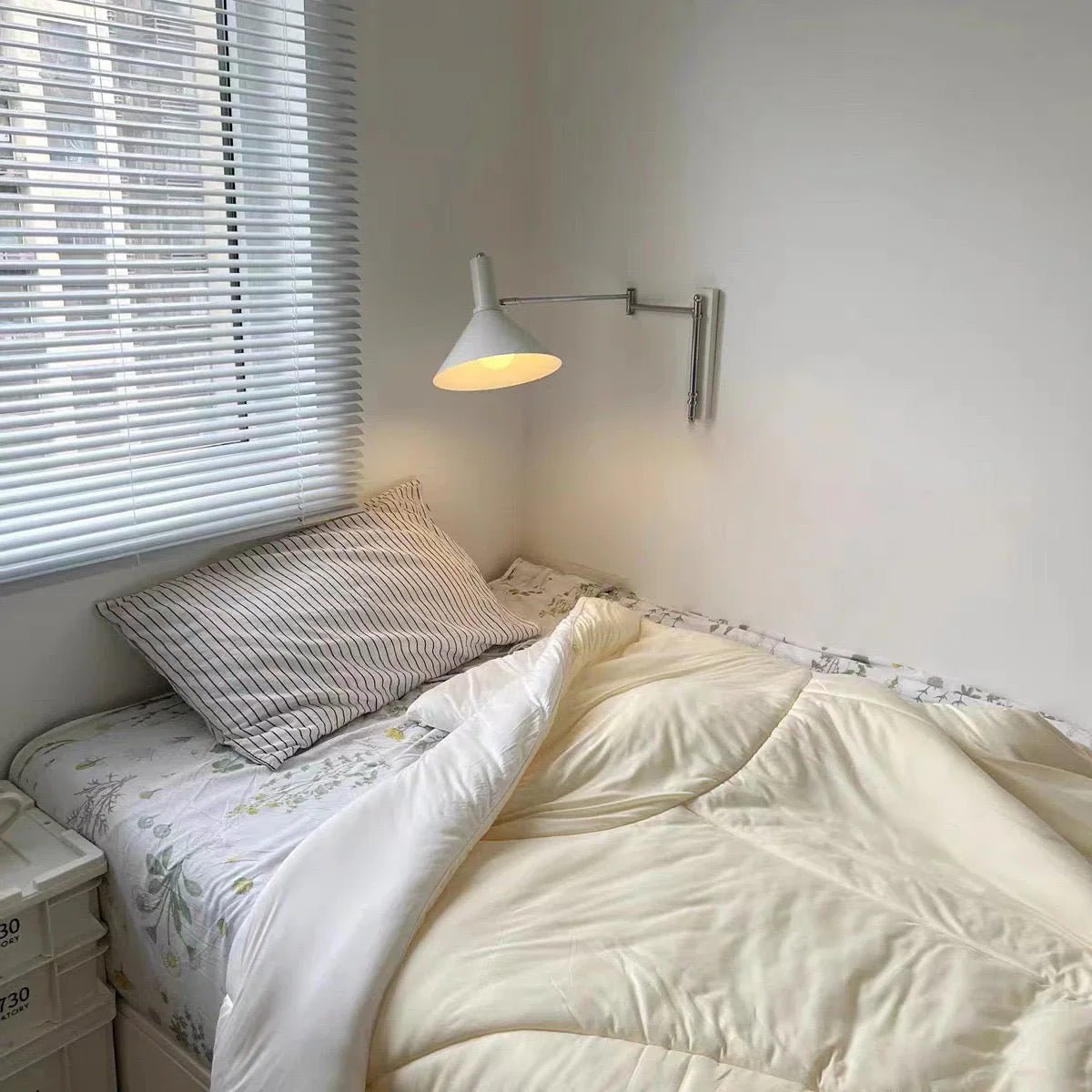
Choose Fabrics Intentionally: Not all fabrics feel the same. Thin Striped Pillowcases offer visual interest without chaos. Cooling Tencel Sheets extend that calm into your wind-down ritual. The textures matter because your skin recognizes safety. This is elevated basics at work.
Shop to Improve Your Sleep Environment:-
- Lucinda Sleeveless Floral Pajama Set
- Thin Striped Bedding Set
- Pleated Wooden Tray Lamp
Arrange Furniture For Flow: Furniture placement affects how energy moves through your room. You want your bedroom to feel like a place to pause, not pass through. Arrange pieces so your bed is the focal point—not an afterthought. Sleep environment design is about flow.
One change at a time. Notice what shifts.
Achieve A Similar Look With:
Build Your Relaxing Bedroom


Your bedroom isn't just a place to sleep. It's the one space where your nervous system gets to fully rest. Where you get to be completely yourself. Where healing happens. Relaxing bedroom ideas start with understanding what your space needs.
If your bedroom doesn't feel that way, it's not a failure of decoration. It's a signal that something needs to shift.
The good news? You already know what to do. Remove the noise—visual, sensory, energetic. Choose fabrics and lighting that support peace. Arrange your space for rest, not function. This is soft living in action.
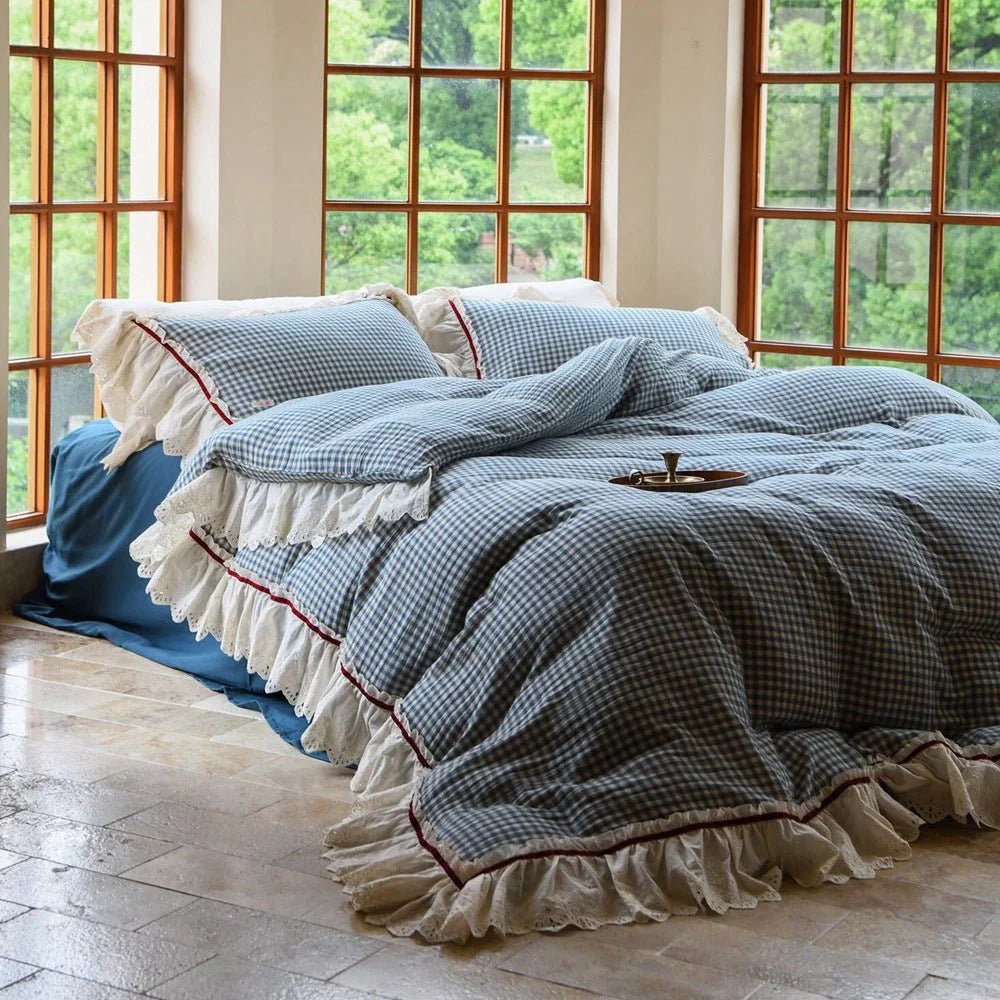
The Amelie Lace Embroidered Cotton Bedding Set Bedding brings softness without overstimulation. Gingham Pillow Cases add interest without chaos. Every piece should serve one purpose: helping your body know it's safe.
Start with one change. Notice how it feels. Then move to the next. Your stress-free bedroom isn't a luxury. It's a necessity. And it's closer than you think.
Ready to transform your space? Shop our peace-focused collection and build the bedroom that actually feels like home.
Summary
Your stress-free bedroom isn't a luxury. It's a necessity. When your bedroom supports peace, your whole life shifts.
One intentional change at a time creates lasting transformation. You don't need to overhaul everything—small shifts compound into complete shifts.
Visual clutter and chaos create stress, even in beautiful spaces. Your eyes need a place to rest, which means your brain needs clarity too.
Warm, soft lighting signals rest to your nervous system. Harsh, bright lights keep you in "active mode" even when you're trying to sleep.
A relaxing bedroom supports peace and healing, not just decoration. When your space feels calm, your nervous system can finally rest.
About Sleep environment FAQs:
What fabrics are best for a stress-free bedroom?
Natural, breathable fabrics like linen and quality cotton. Avoid synthetics that trap heat and moisture. Soft textures signal safety to your nervous system, which is why elevated basics matter.
What's the best lighting for a relaxing bedroom?
Warm, dimmable lighting that mimics sunset is ideal. Avoid bright overhead lights and blue light in the evening. Your nervous system responds to warm tones as a signal that it's safe to rest.
Does bedding really affect how relaxed I feel?
Absolutely. Your bedding touches your skin for 6-8 hours. If it's scratchy, too hot, or doesn't breathe, your nervous system stays tense. Breathable fabrics like quality cotton and linen signal safety to your body.
Looking For Another Read?


Anything We Missed?
Thanks for reading till the end — we hope it brought a little calm and inspiration to your day.
Discover more: Inspiration Blog • New Arrivals •
Stay tuned for our next story, or share this one to spread the calm.
• Share your makeover moments with #EverLastingMakeover and tag @EverLastingFabric
Connect with us: