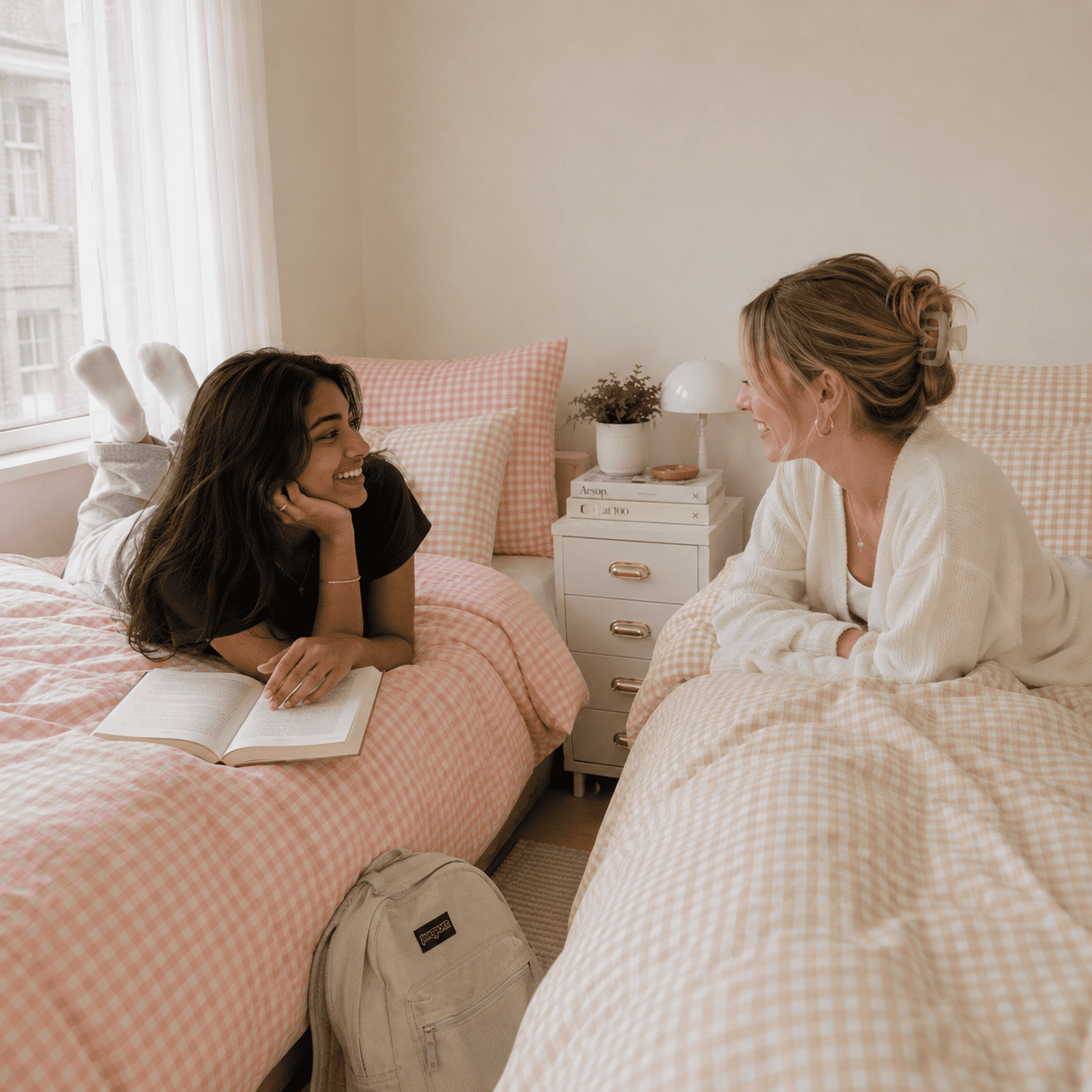
Your Sleep Environment Setup Might Be the Reason You're Waking Up Exhausted

Have you ever gone to bed exhausted, slept for what seemed like a full night, and still woken up feeling just as tired?
Maybe you've blamed stress. Maybe you've convinced yourself you simply need more sleep. Maybe you've spent morning after morning dragging yourself out of bed, reaching for another cup of coffee, wondering why rest never seems to feel restorative anymore.
The frustrating part is that you're technically doing everything right. You're getting into bed at a reasonable hour. You're trying to prioritize rest. You're giving yourself enough time to sleep. Yet somehow, your body still wakes up feeling heavy, sluggish, and depleted, and you start wondering “why am I still tired?”
The answer might not be about how much sleep you're getting. It might be about the sleep environment you're sleeping in.
The truth is, your sleep environment plays an enormous role in how well-rested you actually feel.
The fabric touching your skin, the temperature of your room, the way light filters through your windows, even the clutter on your nightstand, all of these small details add up. They create friction. They interrupt your rest without you even realizing it.
A poor environment doesn't just make you tired. It creates a low-level stress response in your body. The good news? Transforming your sleep environment doesn't require a complete bedroom overhaul, and in this blog, we'll share some tips to help you transform and create a space that supports deep, restorative sleep.
Our Top 5 Bedroom Picks
Your Bedding Is More Important Than You Think


The fabric wrapped around you eight hours a night has a bigger impact on your sleep than almost anything else in your bedroom. It's the first thing that touches your skin when you lie down, and it stays with you all night long.
If your bedding is cheap, synthetic, or poorly made, it will actively work against your rest. Low-quality fabrics trap heat. They create friction against your skin. They bunch up. They feel itchy or uncomfortable, even if you can't quite put your finger on why.
A poor sleep environment often starts with poor bedding, and poor bedding means your body is constantly micro-adjusting to find comfort.
The best bedding for a restorative sleep environment is made from natural, breathable materials like cotton, linen, or plant-based blends.
These fabrics regulate temperature naturally. They feel soft and gentle on your skin. They don't trap sweat or heat. When your environment features high-quality bedding, your body can finally relax instead of constantly trying to find the comfortable spot.


If you've been stuck in a cycle of poor sleep, upgrading your bedding might be the single biggest shift you can make to improve your sleep environment. Look for soft, breathable materials. Choose colors and styles that feel calming to you. Make your bed a place you actually want to be.
Try this: To support your sleep, you can invest in this Coquette Tencel Silky Ruffle Bedding Set and immediately transform your sleep environment into one that supports temperature regulation and breathable comfort throughout the night. This is one of the most important elements to curating a restorative sleep environment.
Achieve A Similar Look With:
Temperature Control Creates a Cooler Sleep Environment


One of the most overlooked factors affecting your sleep environment is temperature.
Have you ever kicked off the blankets in the middle of the night? Flipped your pillow over searching for the cool side? Woken up feeling sweaty even though the room wasn't particularly warm?
These are signs that your sleep environment may not be helping your body regulate temperature effectively.
Your body naturally lowers its core temperature as part of the sleep process. So, when your bedroom is too warm or when your bedding traps excess heat, your body has to work harder to maintain comfort.
This can lead to:
Frequent waking
Restless sleep
Increased fatigue
Difficulty falling asleep
Reduced sleep quality


The ideal temperature for most people's sleep environment is between 60 and 67 degrees Fahrenheit. But temperature is only part of the equation. The materials in your sleep environment, your bedding, pillows, pajamas matter just as much. If they trap heat, even a cool room won't help.
Creating a balanced sleep environment doesn't necessarily mean turning your room into a refrigerator. Instead, focus on breathable materials, lightweight layers, and products designed to support airflow.
This is why choosing breathable, natural materials is so critical for your sleep environment. Cotton breathes. Linen breathes. Plant-based materials breathe. Your sleep environment needs to allow heat and moisture to escape naturally throughout the night. When your sleep environment supports this process, your body can regulate its temperature without the constant micro-adjustments that interrupt sleep.
Try this:
If your bedding no longer allow your body cool, it may be time to refresh your sleep environment with breathable layers like the Plant Based Duvet Insert Comforter to create optimal conditions for uninterrupted rest.
Clutter and Visual Chaos Disrupt Your Sleep Environment


Your brain doesn't turn off just because your eyes are closed. Even in darkness, your subconscious is processing your physical space. If your sleep environment is cluttered - clothes on the floor, items on your nightstand, visual chaos on the walls keeps your nervous system activated.
Your bedroom should signal rest, not responsibility.
Research continues to show that clutter can contribute to feelings of stress and overwhelm. While a perfectly minimalist room isn't necessary, creating a more intentional sleep environment can help your mind transition more easily into rest mode.


A simple reset before bed can make a significant difference:
Put away visible clutter
Clear bedside surfaces
Fold blankets and throws
You don't need a perfectly minimalist sleep environment to experience better sleep.
You just need a sleep environment that feels calm and intentional. Clear your nightstand. Put away the clothes. Remove the visual distractions. Create a sleep environment that supports rest rather than activating stress.
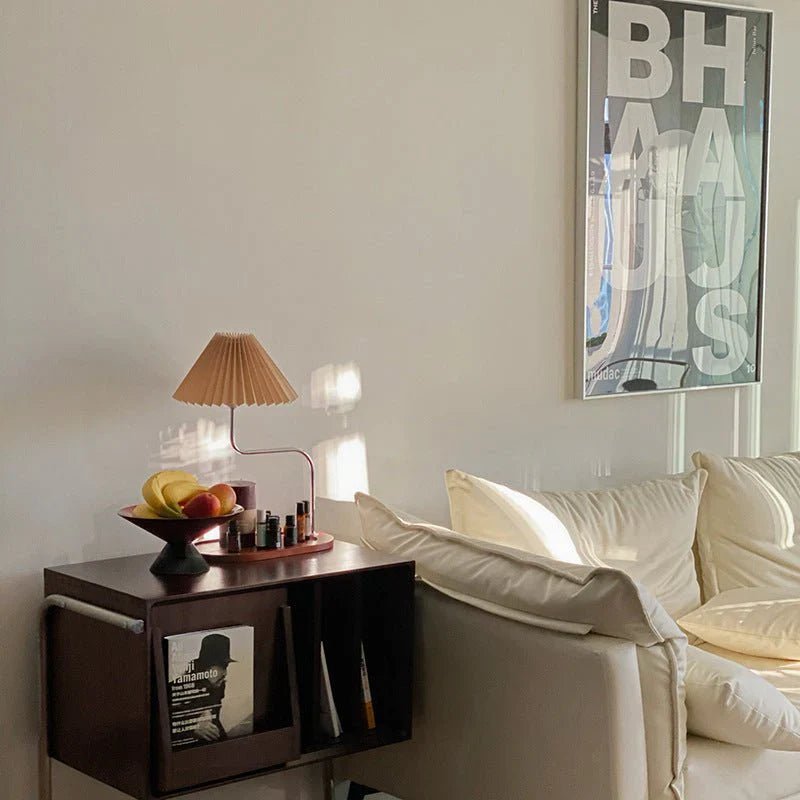
Try this: Creating a calmer sleep environment can be as simple as refreshing your bedding and simplifying your space. Pieces like the Silky Ruffle Bedding Collection bring softness and visual ease without adding clutter to your sleep environment.
Achieve A Similar Look With:
Lighting and Darkness Are Essential to Your Sleep Environment


Your body relies on darkness to understand when it's time to sleep. Unfortunately, modern life often works against creating that ideal sleep environment.
Streetlights outside the window. Electronics charging on a nightstand. Bright overhead lighting before bed. Even small amounts of artificial light can influence your sleep environment and impact sleep quality.
Your brain responds to light by regulating melatonin, the hormone responsible for helping you feel sleepy.
When your sleep environment remains bright late into the evening, your body may struggle to fully enter a restful state.
This is why blackout curtains are such a game-changer for your sleep environment. They signal darkness to your body, allowing melatonin production to increase naturally.
But darkness is only part of the equation. Equally important is light exposure during the day. If your sleep environment is dark at night but you're not getting enough natural light during the day, your circadian rhythm stays confused.
The best sleep environment is one that supports darkness at night and bright light exposure during the day.


Ways to optimize lighting in your sleep environment:
• Use warm lighting in the evening hours
• Avoid harsh overhead lights before bed
• Reduce screen exposure when possible
• Use blackout curtains if external light disrupts your sleep environment
• Keep bright electronics out of sight from your sleep environment
The goal is to create a sleep environment that gently signals to your body that the day is ending.
This is where intentional living becomes practical rather than aspirational. Small environmental shifts in your sleep environment often produce meaningful improvements in sleep quality.
Try this: Create a softer nighttime atmosphere with comfort-focused pieces like the Lucinda Sleepwear Collection to create a sleep environment that supports relaxation from the moment your evening routine begins.
Best Picks To Improve Your Sleep Environment
Your Evening Routine Shapes Your Sleep Environment


Many people think of their sleep environment as the physical room itself. But your habits are part of the sleep environment too.
The hour before bed often determines how easily you fall asleep and how well your sleep environment supports deep rest. Scrolling social media. Answering late-night emails. Watching intense television shows. Thinking about tomorrow's responsibilities.
All of these activities influence the quality of your sleep environment, even if your room looks beautiful.
A healthy evening routine creates consistency and helps your body prepare for the sleep environment you've created. It signals safety and signals that the sleep environment is ready for rest. When your routine supports a calm sleep environment, your nervous system responds by releasing the stress of the day.


Evening rituals that improve your sleep environment:
• Reading for 15 minutes in a warm-lit sleep environment
• Taking a warm shower before bed
• Changing into dedicated sleepwear to transition into sleep
• Lowering lighting levels throughout your sleep environment
• Preparing the room for sleep and rest
This is one reason lifestyle-focused approaches to wellness continue to resonate. Better sleep often comes from building supportive habits rather than chasing complicated solutions. Your sleep environment is not just where you sleep, it's the entire experience leading up to sleep.
Try this: Comfort rituals often start with what you wear to bed. The Vintage Inspired Plaid Tank Pajama Set offers an easy way to create separation between daytime responsibilities and the restful sleep environment of nighttime.
Summary
Waking up tired after a full night of sleep can be frustrating, especially when it feels like you're doing everything right. But sleep quality isn't only about bedtime or the number of hours you sleep. Your sleep environment plays a major role in how deeply your body rests and recovers.
From bedding materials and room temperature to clutter, lighting, and evening routines, small details can affect your comfort throughout the night and the overall quality of your sleep environment.
A better sleep environment supports relaxation, reduces disruption, and helps your bedroom feel like a true place of recovery.
By prioritizing your sleep environment, you're investing in something that impacts every part of your day. Better sleep means more energy, clearer thinking, and greater resilience. Your sleep environment deserves attention and intention.
About Sleep environment FAQs:
What exactly makes up a sleep environment, and where should I start if I want to improve mine?
Your sleep environment includes your bedding, room temperature, lighting, air quality, noise levels, and evening routine.
Start with the one element that feels most problematic - if you wake up hot, focus on breathable bedding; if you struggle to fall asleep, prioritize lighting and your evening routine.
How long does it take to notice improvements in sleep quality after optimizing my sleep environment?
Most people notice subtle improvements within 3 - 7 days of changing their sleep environment. However, it typically takes 2-3 weeks for your body to fully adapt and experience deeper benefits. Consistency with your sleep environment is key.
Can I improve my sleep environment on a budget?
You can absolutely improve your sleep environment on a budget. Start with affordable upgrades like Thin Striped Pillowcases, and make free improvements like clearing clutter and adjusting lighting. Gradually add OTHER quality pieces as your budget allows.
Looking For Another Read?


Anything We Missed?
Thanks for reading till the end — we hope it brought a little calm and inspiration to your day.
Discover more: Inspiration Blog • New Arrivals •
Stay tuned for our next story, or share this one to spread the calm.
• Share your makeover moments with #EverLastingMakeover and tag @EverLastingFabric
Connect with us: