

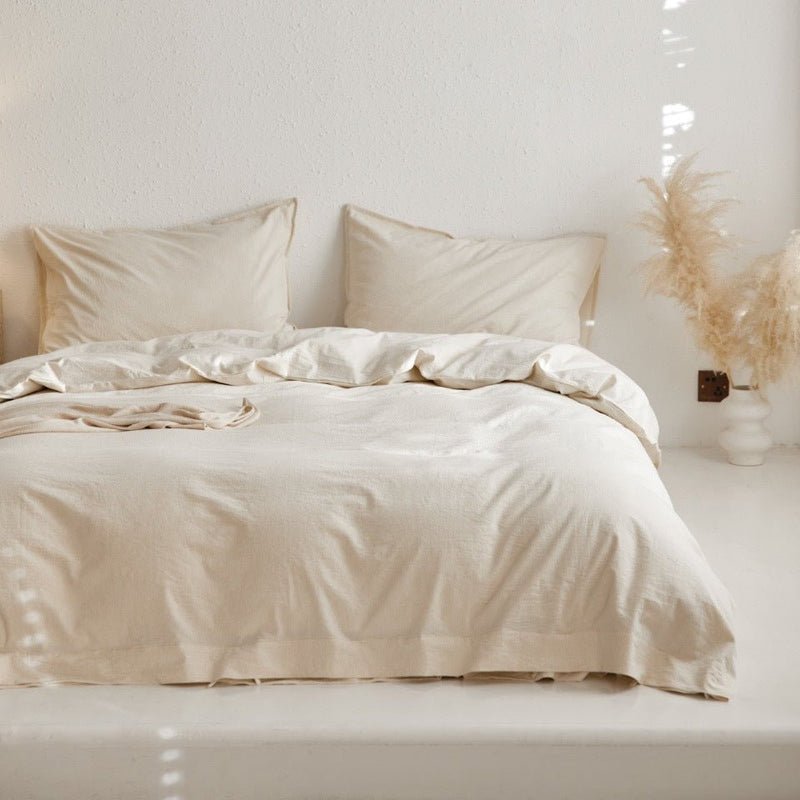
Design Therapy: Small Spaces And Designing with Intention


There is a moment most people do not notice in their home. It is not when the room is messy, and not when it is clean either. It is when everything is technically in place, but something still feels off.
A small space does not feel overwhelming because it is limited in size. It feels overwhelming when nothing inside it is intentional.
When furniture, storage, and textiles are not aligned, even a well-designed small space can feel visually noisy and mentally heavy. When every element has a purpose and a relationship to the rest of the room, the same small space becomes calmer, easier to move through, and easier to live in.
This is where design becomes less about decoration and more about clarity.
Table of contents
Why a Small Space Feels Overwhelming


A small space rarely feels chaotic because of its square footage alone. It usually comes from competing priorities inside it.
In many small space environments, the issue is not what is missing but what is conflicting.
Common causes include:
- Too many visual styles
- Storage that does not match your daily habits
- Furniture placed without considering movement
- Decorative choices that add weight instead of balance
When these elements stack together, your bedroom does not feel broken. It just feels harder to exist in. The goal is not to remove everything. It is to reduce friction inside your space so every movement feels more natural.
Pieces designed to support everyday use while keeping visual weight low:
Start With How the Small Space Is Actually Used


Before designing a small space, the most important step is understanding behavior.
A small space should begin with function, not aesthetics.
Ask:
- How is this space used throughout the day
- Where do I naturally rest or pause in this room
- What items are used daily in my routine and ritual
- What creates visual or physical blockage in this small space
Once the function is defined, your design choices become easier to shape. When every object in a small bedroom has a clear role, the room immediately feels more open, even before any visual changes are made.
Storage solutions designed to reduce clutter without adding bulk:
Building Structure in a Small Space


Once the function is clear, a bedroom needs a structure to support it. Structure is what decides how a small space behaves over time.
In a well-structured bedroom:
- Movement feels intuitive instead of blocked
- Storage supports habits instead of fighting them
- Key zones are defined without needing physical separation
A room without structure relies on constant adjustment. A structured space stays consistent even when life changes throughout the day.
Soft essentials designed to layer easily without overwhelming the space:
Cohesion Makes a Small Space Feel Bigger


Once a small space is designed around your daily habits, it becomes easier to live in and maintain. Thoughtful storage keeps everyday items within reach, while clear pathways make moving through the room feel natural instead of cramped. Rather than constantly rearranging or searching for things, the space begins to support your routine. The goal is not to make a small bedroom feel empty, but to create a layout that works with you and makes limited space feel more functional and comfortable.
Finishing details that support everyday living:
When a Small Space Starts to Work With You


Even a well-organized small space can feel visually heavy if nothing connects. Cohesion is what transforms a bedroom from functional to calming.
In a cohesive small space:
- Colors stay within a controlled range
- Materials repeat instead of competing
- Contrast is intentional rather than accidental
A small space becomes visually lighter not by removing everything, but by ensuring everything belongs to the same language.
Storage solutions designed to reduce clutter without adding bulk:
What a Small Space Really Becomes

There is a shift that does not announce itself. Regardless of size, your bedroom slowly stops feeling like a project and starts feeling like a rhythm.
It is in the way mornings feel easier because everything is where it should be.
It is in the way evenings feel quieter, even without changing anything else.
It is in the absence of that constant mental friction that used to sit in the background.
A well-designed small space does not try to impress you. It supports you without asking for attention. And once that happens, you stop thinking about how to fix the room.
You just start living in it.
Summary
Design around how your space is actually used—every piece should have a clear role.
Use layout and storage intentionally to make the most of limited space.
Keep tones consistent and layer through texture so the space feels open, not crowded.
Looking for More?


FAQ
How do I make a small space feel bigger without adding more furniture?
Focus on layout first—keep pathways clear, use vertical storage, and choose pieces that serve more than one purpose. A consistent palette also helps the space feel more open.
What’s the best way to avoid clutter in a small space?
Be selective. Choose fewer, more functional pieces and make sure everything has a place. Storage that blends into your space keeps it feeling organized without adding visual weight.
How do I keep a small space feeling cohesive?
Stick to a limited range of tones and layer through texture instead of adding more items. When everything works together, the space feels calm and intentional rather than crowded.
Have a Question?
Thanks for reading till the end — we hope it brought a little calm and inspiration to your day.
Discover more: Inspiration Blog · New Arrivals ·
Stay tuned for our next story, or share this one to spread the calm.
♡ Share your makeover moments with #EverLastingMakeover and tag @EverLastingFabric
Connect with us:
Instagram | Facebook | TikTok | Pinterest | YouTube


