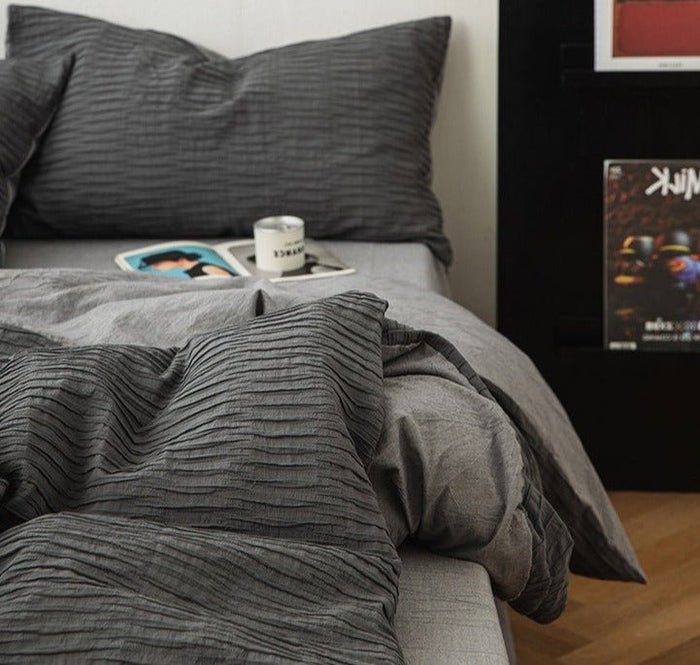
Joint Living: Bedding That Works Well in Shared Bedrooms
A shared bedroom is more than just a place to sleep; it’s a daily collaboration. It’s where two routines intersect at the beginning and end of every day. Two sets of preferences, two internal clocks, and often two completely different design sensibilities must coexist in one cohesive space. Because of that, designing a shared bedroom requires more intention than designing for one. It’s not simply about choosing what looks good; it’s about choosing what works well for both people who live in it.
For couples, the bed becomes the focal point of the shared bedroom, both visually and functionally. It sets the tone for the room’s aesthetic while also determining the quality of rest each person receives. One partner may prefer crisp, structured hotel-style bedding, while the other gravitates toward relaxed layers and soft, inviting textures. Without thoughtful consideration, these differences can create subtle tension, visually and physically. With the right approach, however, the shared bedroom can complement each other beautifully.
This is where balance, structure, and softness come into play. Balance ensures neither style dominates the shared bedroom. Structure provides the durability and support necessary for restful sleep. Softness introduces warmth and emotional comfort that transforms the room into a retreat. When these three elements are layered intentionally, a shared bedroom becomes more than a compromise; it becomes a reflection of partnership.
In the sections below, we explore how to design bedding that honors both aesthetic preferences and comfort needs, creating a shared bedroom that feels harmonious, supportive, and equally like home to both people who share it.
In a shared bedroom, balance is everything. It’s easy for one aesthetic to overpower the other if intentional choices aren’t made. The goal isn’t compromise, it’s integration. A well-balanced shared bedroom feels cohesive and calm, not like two competing design visions placed side by side.
Start with a neutral foundation. High-quality sheets in soft whites, warm taupes, muted grays, or understated earth tones create a visual anchor that allows both partners’ preferences to layer naturally on top. This base establishes calm and prevents the shared bedroom from feeling visually busy. Once the foundation is set, complementary tones can be introduced through duvets, coverlets, or accent pillows.
Instead of contrasting sharply, choose shades that relate to one another, for example, pairing deep charcoal with soft stone, or warm cream with muted olive.
The Emmett TENCEL™ Bedding Set is a great first step bedding option that helps increase the quality and luxury of your bedrrom.
Balance in a shared bedroom also involves proportion and placement. If one partner prefers bold patterns and the other favors minimalism, consider incorporating patterns in smaller doses, such as subtle stripe sheets or textured shams, while keeping larger pieces more restrained. Similarly, if one side of the room features stronger architectural lines or darker furniture, bedding can soften and unify both sides through consistent color and material.
Ultimately, balance ensures that neither person feels overshadowed in the shared bedroom. When bedding serves as the unifying element, the space reflects partnership rather than preference dominance, creating a room that feels intentional, equitable, and harmonious.
Find lifelong pieces that are both luxurious and sustainable in Ever Lasting's Washed Cotton Collection
Discover smart choices for your shared bedroom...
Structure: The Foundation of Great Sleep
Structure is often overlooked in a shared bedroom, yet it is one of the most important elements for couples. Structure provides consistency, in appearance, in comfort, and in performance. When two people share a bed, small disruptions like shifting inserts, uneven layers, or worn-out fabrics become magnified. A well-structured bedding setup prevents those daily irritations and creates a stable, supportive sleep environment.
The foundation begins with quality materials and construction. Long-staple cotton, durable percale weaves, reinforced seams, and well-filled duvet inserts maintain their integrity over time.
In a shared bedroom, durability matters because the bed experiences more movement and more frequent laundering. Bedding that holds its shape keeps the room looking polished and prevents the bed from feeling disheveled by morning.
Structure also plays a key role in temperature and sleep style differences. If one partner sleeps hot while the other prefers warmth, thoughtful layering becomes essential. Dual-weight duvets, separate inserts within one cover, or breathable sheet materials can help regulate comfort without visually dividing the shared bedroom. Even the simple addition of a fitted mattress protector or supportive topper can create a more stable surface that benefits both partners.
Beyond function, structure contributes to the overall aesthetic clarity of a shared bedroom. A neatly layered bed with defined edges and evenly distributed fill creates visual calm.
Tailored corners, properly sized duvets, and proportionate pillows signal intention. That visual order reinforces emotional ease. When the bed looks grounded and balanced, the entire shared bedroom feels more serene and cohesive.
Try exploring luxury bedding options to elevate your experience in our Best Sellers Collection.
Pieces to help develop your shared bedroom...
Softness: Comfort That Invites Connection
While structure provides the framework, softness delivers emotional comfort. A shared bedroom should feel welcoming at the end of the day, not stiff or overly styled. Softness invites relaxation and, ultimately, connection.
Incorporate tactile softness through breathable fabrics like sateen cotton, linen blends, brushed cotton, or lightweight quilts. Softness doesn’t mean sacrificing durability; it means choosing materials that age beautifully and become more inviting over time. In a shared bedroom, that lived-in softness can create a sense of warmth and ease that both partners appreciate.
Softness also evolves over time. High-quality natural fibers become more supple with washing, creating that lived-in luxury that makes a shared bedroom feel personal rather than staged. Layered throws, plush pillows, and subtle textural contrasts, smooth against textured, matte against slightly luminous; introduce dimension without clutter. Even minimalist spaces benefit from softness; without it, a shared bedroom can feel cold or overly formal. Tactile warmth prevents clean lines from becoming rigid.
Ultimately, softness is what makes a shared bedroom feel intimate and restorative. It signals the nervous system to relax and helps both partners unwind in the same environment, even if their days look very different. When couples prioritize softness alongside balance and structure, they create a bedroom that not only looks cohesive but feels emotionally aligned. A space that supports both individuality and togetherness.
View the Ever Lasting Everyday Luxury collection to find upgrades that speak to your personal style.
Key pieces to create comfort in your shared bedroom...
Personalized Comfort Without Visual Clutter
One of the biggest challenges in a shared bedroom is accommodating individual sleep preferences without disrupting the room’s aesthetic. Personalization is essential, but visual cohesion matters just as much.
Solutions like split king mattresses, individualized mattress toppers, or differing pillow firmness levels allow each partner to customize their comfort discreetly.
The key is keeping these adjustments visually seamless. Use uniform pillowcases, coordinated shams, and cohesive bedding layers so the shared bedroom maintains a unified look, even if what’s underneath is customized.
Temperature preferences can also be addressed subtly. Lightweight layering on one side of the bed and slightly heavier layering on the other can be disguised under one large duvet. Even something as simple as allowing each partner to select their preferred pillow type (e.g., memory foam for one, down alternative for the other) while keeping exterior fabrics consistent supports personal comfort without sacrificing design harmony.
In a shared bedroom, personalization should feel intentional rather than mismatched. When comfort solutions blend seamlessly into the overall design, both partners feel considered.
The Minimalist Collection is a great place to discover bedding upgrades that are refreshing for your new phase of life.
Discover luxury bedding to maintain elegance in your shared bedroom...
Designing for Longevity Together
A shared bedroom evolves over time. As routines shift, seasons change, and tastes mature, bedding should adapt without requiring constant reinvestment.
Investing in quality foundational pieces allows couples to refresh the look of their shared bedroom without starting from scratch.
A well-made duvet insert, timeless sheet sets, and durable coverlets act as long-term anchors. Decorative layers, accent pillows, throws, and textured blankets can rotate seasonally to reflect evolving style preferences.
Pieces like the British Vintage Plaid Bedding Set are great additions to your room due to its combination of quality and quiet luxury aesthetic.
Longevity also extends to fabric performance. In a shared bedroom, bedding experiences more movement, more laundering, and more daily use. Choosing materials known for durability ensures the bed maintains its balance of structure and softness over time.
Most importantly, designing for longevity reinforces partnership. When both individuals feel represented in the shared bedroom, aesthetically and physically. The space becomes a shared investment rather than a temporary compromise. Over time, that sense of joint ownership strengthens both the room’s design and the relationship it supports.
Designing bedding for a shared bedroom isn’t about choosing one style over another; it’s about creating balance, honoring structure, and embracing softness in a way that supports both partners. When two people share a space, the goal is cohesion without sacrificing individuality. The right bedding quietly blends preferences into something unified and intentional.
By balancing aesthetics, investing in supportive structure, and layering inviting softness, couples can create a shared bedroom that feels both polished and personal. In the end, the most successful shared bedroom is one that supports restful sleep, reflects mutual consideration, and feels equally like home to both people in it.
A shared bedroom works best when both partners’ aesthetic preferences are thoughtfully integrated through neutral foundations and cohesive layering
Structure supports better sleep
High-quality, well-constructed bedding ensures durability, temperature balance, and individualized comfort within a unified design.
Softness builds connection
Layered textures and inviting fabrics transform a shared bedroom into a restorative space that feels warm, personal, and emotionally aligned for both partners.
What’s the best way to maintain privacy in a shared space?
Define soft boundaries with rugs, curtains, or furniture placement. Even visual cues — like a personal chair or corner — help maintain comfort while keeping the room open and inviting.
How can couples or roommates handle different sleep or light preferences?
Layered lighting is key. Use bedside lamps or dimmable lights for personal control. Eye masks and blackout curtains (like Everlasting’s cozy sleep sets) also create individualized rest zones.
How do I make a shared bedroom feel personal without overwhelming the other person’s style?
Start with a calm base palette, then layer in individuality through accents — throws, framed photos, or personalized pajamas and slippers. Subtle details add intimacy without clutter.
How often should a shared room be refreshed or redecorated?
Seasonal refreshes are ideal. Switch bedding, rearrange décor, or introduce a new scent or plant. These changes keep energy flowing and the environment emotionally fresh.
This article explores how to create a quiet luxury bedroom using soft lighting, neutral layers, and thoughtful details. From cozy unisex bedding and minimalist furniture to simple daily rituals, ea...
Ruffle bedding adds softness and dimension to a bedroom without making the space feel overly styled or cluttered. Instead of relying on heavy decoration, ruffle bedding creates visual depth through...
Ever Lasting designs thoughtful home essentials that bring a quiet sense of calm to everyday life. Made with long-lasting natural materials and refined to soften with time, our pieces are created for comfort that’s meant to be lived in and loved, for years.
Join the bedroom makeover. Share your space with us using #EverLastingFabric on Instagram and Facebook.
Your wishlist
Please add product to your wishlist to see them here.