The Death of Beige: How Color Is Redefining Cozy Minimalism

For years, beige defined calm. The go-to tone of peace, restraint, and simplicity. It became the signature of homes that wanted to feel serene, polished, and pure. But as the world slowed down and our relationship with space changed, beige began to lose its warmth. It no longer felt cozy; although minimalist, it lacked personality and a personal touch.


Enter Cozy Minimalism, the evolution of quiet living that reimagines simplicity with soul. It’s minimalism softened by texture, touched by emotion, and grounded in comfort. Where the old minimalism was about less, Cozy Minimalism is about meaning. It’s for those who want calm that still feels alive, spaces that breathe warmth without losing balance. In this new chapter of design, serenity isn’t beige anymore; it’s human.
1. The Beige Era: Comfort or Cliché?


There was a time when beige ruled every corner of minimal design. It promised stillness, stability, and neutrality, the visual silence that helped us think, focus, and unwind. But the repetition of sameness turned that silence into static. And as our homes became reflections of who we are, minimalism had to evolve, giving rise to Cozy Minimalism, a movement that values feeling over perfection.
Why Beige Once Defined Minimalism
Beige brought order and calm during a time when maximalism felt overwhelming.
It gave early minimalism its visual identity: clean, uniform, and safe.
Paired with light wood and linen, it mirrored the simplicity we craved. A kind of warmth that meant something special without being too much.


Why Beige No Longer Feels Cozy
Overexposure made beige interiors predictable and emotionally flat. What once symbolised clarity now feels cold, disconnected, and also uninviting at times. Modern homeowners seek comfort that’s both calm and expressive, the essence of Cozy Minimalism.
The Transition
Today, warmth isn’t found in blank walls but in lived textures, soft colors, and intentional design.
Cozy Minimalism replaces visual emptiness with sensory calm, the feel of cotton, the depth of clay, the quiet charm of muted hues.
It reminds us that a minimalist home can still be warm, layered, and deeply personal.
Refresh your space with Cozy Minimalism, where color, texture, and emotion replace the flatness of beige!
2. Enter the New Cozy Minimalism


Cozy Minimalism is where simplicity meets soul. It keeps the calm of minimal design but replaces emptiness with warmth, restraint with feeling. This new wave isn’t about filling space and making it look like every other person's home; it’s about feeling it.
The modern home now embraces color as comfort, soft sage, warm clay, muted blush, and gentle cream, replacing the cold neutrality of beige.
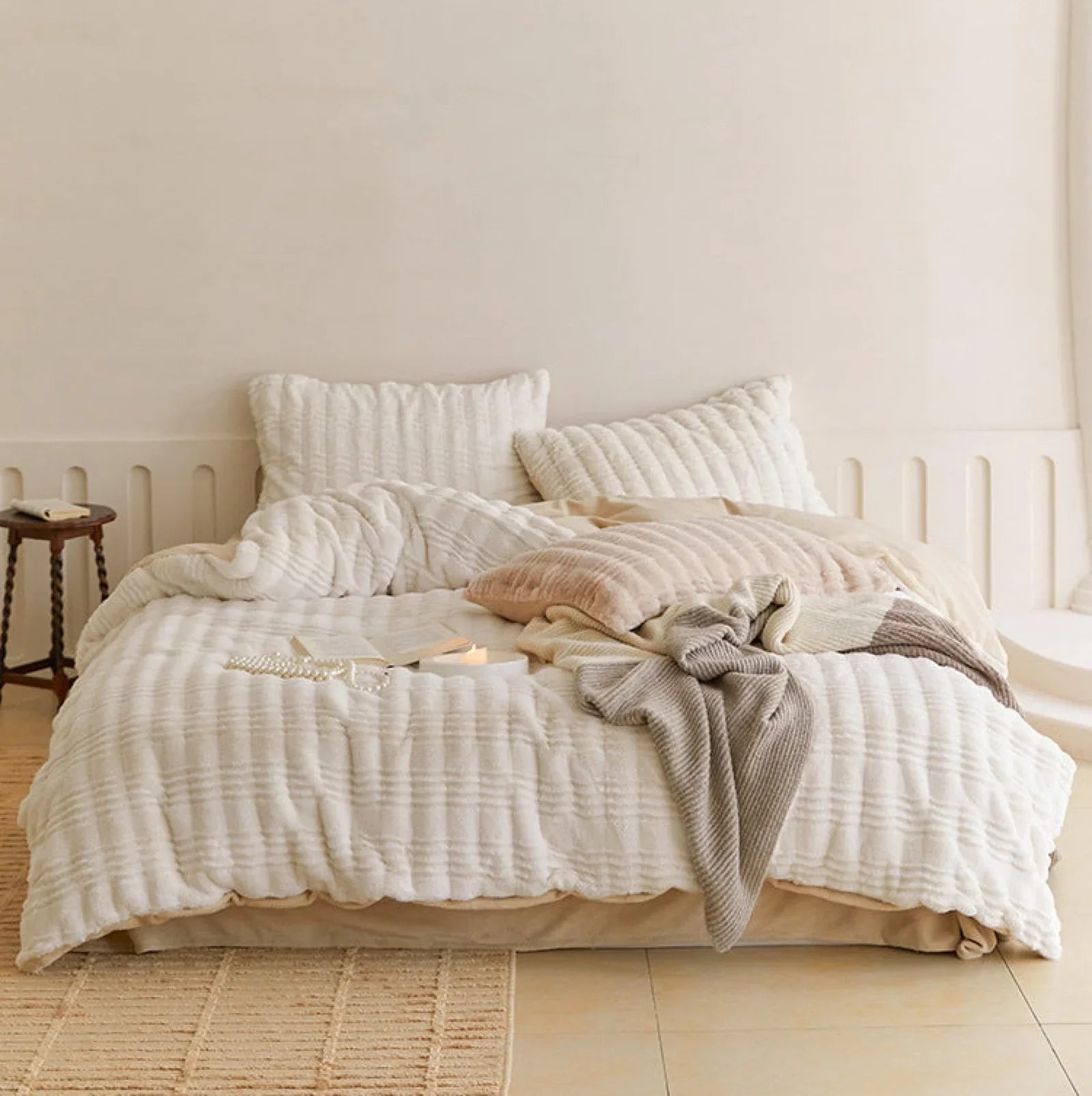
In Cozy Minimalism, materials speak louder than décor: gauzy linens, textured cotton, and organic woods build quiet depth without clutter.
The goal isn’t perfection; it’s presence, spaces that look minimal but live cozily.
At its heart, Cozy Minimalism redefines what serenity means. It’s minimalism you can touch, warmth you can see, and calm that finally feels human again.
Explore how Cozy Minimalism turns simplicity into feeling. Start with soft textures and thoughtful tones.
3. The Color Comeback: Intentional, Not Loud


Color has found its quiet confidence again, and at the heart of this shift is Cozy Minimalism. Once known for neutral restraint, Cozy Minimalism now welcomes color as a new form of calm. It’s not about abandoning simplicity; it’s about adding feeling back into it.
In the world of Cozy Minimalism, color doesn’t compete; it completes what you have.
A soft brown and orange duvet adds serenity to a white room.
Muted blush tones bring life to linen and light.
Earthy clays, dusty blues, and butter creams blend comfort with quiet sophistication.


Every shade is intentional, chosen not to impress, but to comfort. The modern home finds peace not in absence, but in balance. Through thoughtful layering, Cozy Minimalism transforms cold spaces into warm sanctuaries that still feel uncluttered and calm.
Colors are curated like memories: personal, gentle, and full of warmth.
Light interacts with these tones to create softness that feels timeless.
Even the smallest accent, a candle, a cushion, a framed textile, carries emotional weight.
What defines Cozy Minimalism today is this: color used with mindfulness. It’s minimalism that’s grown up, still quiet, but finally alive.
Add a quiet hue to your home, the subtle art of Cozy Minimalism begins with intentional color.
4. Texture, Tone, and the Feeling of Home


In Cozy Minimalism, texture is the true luxury. It turns visual stillness into emotional comfort, the kind that makes a room feel soft before you even touch it.
Natural materials like cotton, linen, and wood create tactile calm.
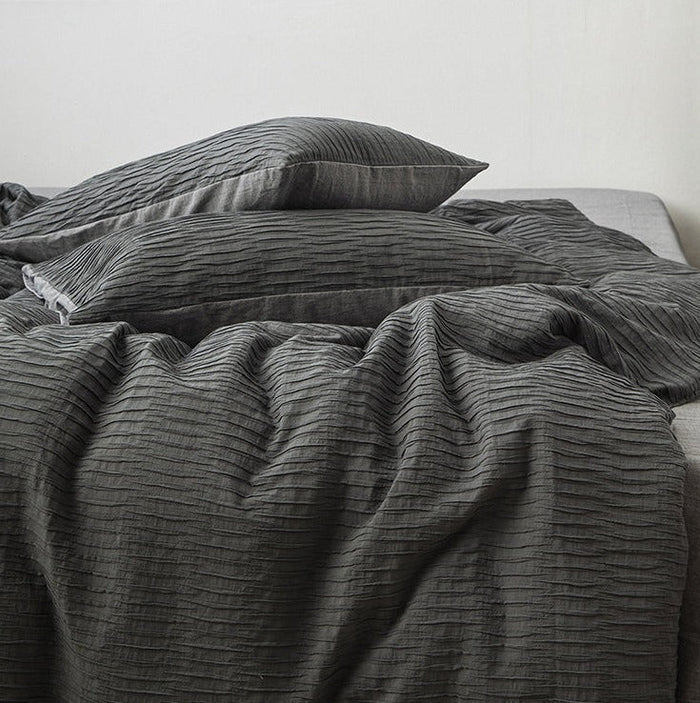
Layered fabrics and gentle contrasts give depth without chaos.
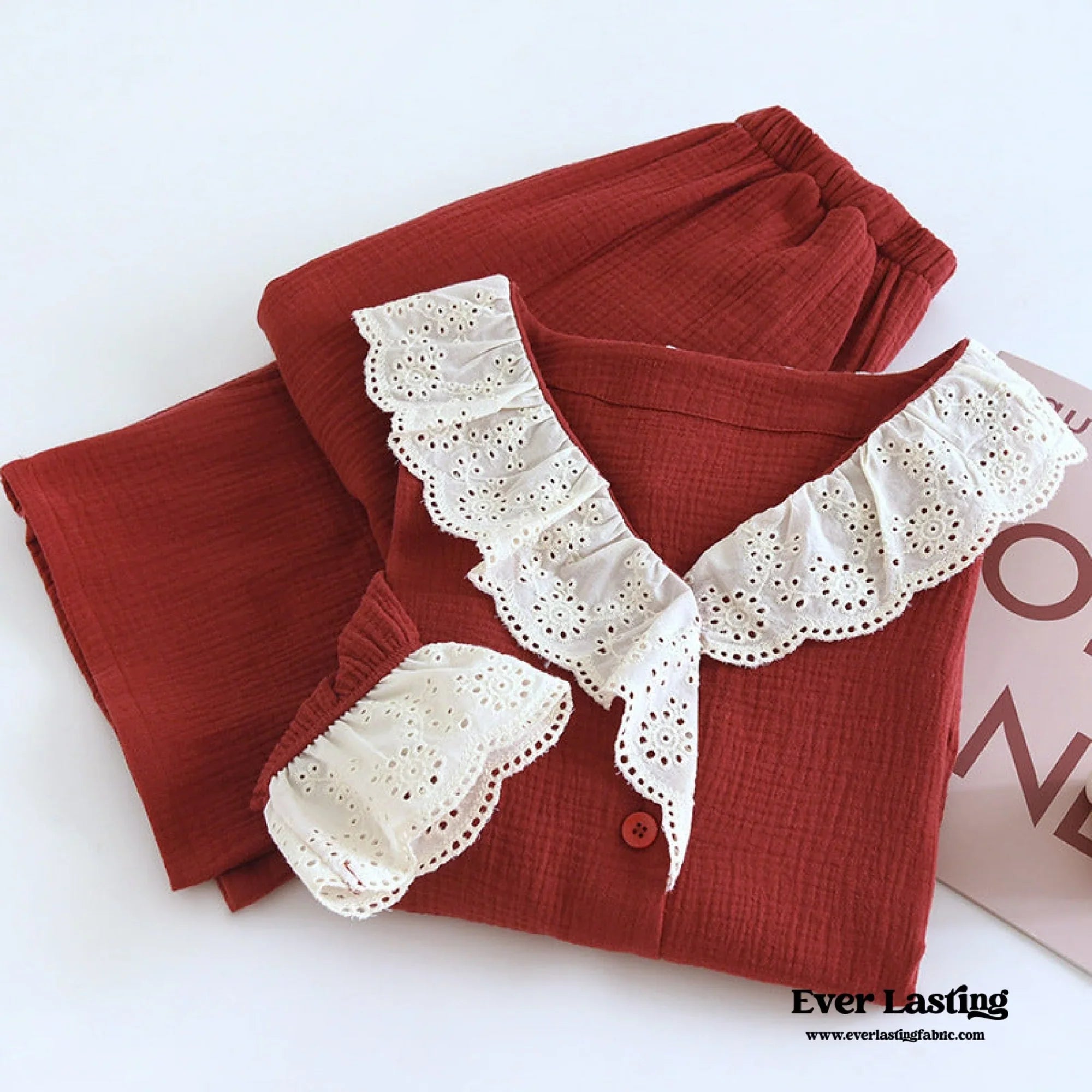
Even the smallest details, a ruffled edge, a woven throw, a matte vase, bring warmth into simplicity.
Cozy Minimalism uses every texture to remind you that minimal doesn’t have to mean minimal feeling. It is just being yourself without overdoing it.
The beauty of Cozy Minimalism lies in how it makes you feel grounded, quiet, and at ease. It’s not about more things; it’s about more comfort. The kind of comfort that looks effortless but feels deeply intentional.
Bring depth to your calm, elevate your space with the textured touch of Cozy Minimalism.
5. The New Rulebook of Cozy Minimalism


The New Rules of Calm Living through Cozy Minimalism:
Choose emotion over aesthetic. Every piece in your home should evoke calm, not just appear clean. That’s the foundation of Cozy Minimalism, comfort that feels as beautiful as it looks.
Layer color with intention. Muted sage, warm sand, and soft blush tones bring depth to neutral bases. Cozy Minimalism invites color as warmth, not decoration.
Let texture speak louder than trends. In Cozy Minimalism, fabrics, woods, and finishes create quiet movement without adding noise.
Keep imperfection close. A wrinkled linen sheet or a handcrafted vase makes a space feel real; that’s what turns minimal into cozy.
Invest in sensory comfort. Scents, lighting, and materials are part of design. Cozy Minimalism isn’t visual minimalism, it’s emotional minimalism.
Make it yours. Whether it’s a framed memory or a handmade throw, Cozy Minimalism celebrates the human touch that gives a room soul.


The beauty of Cozy Minimalism lies in how personal it’s become. There are no rigid rules, only gentle principles that help simplicity feel warm, human, and lived-in. The new minimalist home isn’t just about how it looks; it’s about how it makes you feel.
The rulebook, if there ever was one, is simple: create a space that holds you, not just one that photographs well. That’s the quiet promise of Cozy Minimalism serenity that doesn’t try too hard, yet somehow feels exactly right.
Redefine your everyday comfort, curate your version of Cozy Minimalism, one layer at a time.
Final Thoughts
Beige gave us peace when the world felt loud, but now calm looks different. The new era of Cozy Minimalism brings warmth, texture, and quiet emotion back into our spaces. It’s minimalism that feels lived-in, not looked at.
Cozy Minimalism is about balance, clean lines softened by comfort, color used with care, and spaces that hold emotion as much as light. It’s a reminder that simplicity doesn’t have to feel empty, it can feel alive.
The death of beige isn’t an ending but a renewalof sort, a rediscovery of serenity through tone, texture, and touch. Because in its truest form, Cozy Minimalism isn’t a style, it’s the way you feel.
Bring that feeling home, explore our minimalist collection designed to bring that warmth while not running away from personality!


Cozy Minimalism redefines calm by moving beyond beige, blending simplicity with warmth, emotion, and quiet colors.
Cozy Minimalism celebrates texture and tone, proving that minimal spaces can still feel soft, personal, and deeply human.
Cozy Minimalism introduces color as comfort, subtle hues like sage, blush, and clay that bring life to neutral interiors.
Cozy Minimalism values imperfection, authenticity, and sensory comfort over sterile perfection and visual sameness.
Cozy Minimalism is NOT just a design trend; it’s a feeling of serenity, balance, and belonging that lasts beyond the season.
Read More Here:


FAQs
What type of bedding fabrics are best for the winter and holiday season?
Flannel, brushed cotton, and linen blends are ideal — they’re cozy, breathable, and keep warmth without overheating.
How do I layer bedding for colder nights?
Start with soft cotton sheets, add a mid-weight duvet, and top with a textured throw or blanket. Mixing materials adds both warmth and visual depth.
What makes a bedding set a good gift for the holidays?
Look for high-quality fabrics, timeless colors, and soft textures. Gift sets that come in elegant packaging or with coordinating pieces feel more thoughtful.
How should I store my holiday bedding after the season ends?
Fold and store in breathable cotton bags, avoid plastic containers, and keep in a cool, dry place to preserve color and fabric quality.
Anything we missed?
Thanks for reading till the end — we hope it brought a little calm and inspiration to your day.
Discover more: Inspiration Blog · New Arrivals ·
Stay tuned for our next story, or share this one to spread the calm.
♡ Share your makeover moments with #EverLastingMakeover and tag @EverLastingFabric
Connect with us:
Instagram | Facebook | TikTok | Pinterest | YouTube