Thread Count Guide: What Actually Matters in Bedding

I used to think more was always better: more pillows, more blankets, and definitely more thread count. For years I bought the highest number I could find on the tag, convinced it meant softer, more luxurious sheets. Then I compared a scratchy 1,000 thread count set against a buttery-soft 300 thread count percale, and the higher number lost. Badly.
That's exactly why I wanted to put together this thread count guide. Thread count gets treated like the one number that decides sheet quality, but it's only part of the story. In the next few minutes, you'll learn what thread count actually measures, why a higher number can sometimes mean lower quality, and which range is genuinely worth paying for depending on how and where you sleep.
Quick takeaways before we dive in:
→ The real sweet spot for most cotton sheets sits between 300 and 500, not 800 or 1,000
→ Weave and cotton type affect feel more than the thread count number ever will.
→The best thread count for you depends on your climate and whether you sleep hot or cold.
Before you expand your knowledge on all things slow morning rituals, prep your brain with our recent article on self-care for the fall season and Sip Your Coffee: Your Start-to-Finish Guide to a Fall Self Care Ritual…
Table of Contents
What Does Thread Count Actually Mean?


Thread count is simply the number of threads woven into one square inch of fabric, counting both the lengthwise (warp) and widthwise (weft) threads. A 300 thread count sheet has roughly 300 threads in that single square inch.
Here is what gets lost in translation on most packaging:
• A single strand of cotton is one “ply.” Manufacturers can twist two or more thin, lower-quality threads together and count each twist separately.
• That means a “1,000 thread count” label can actually be a 250-count fabric woven with 4-ply yarns, not finer, just more twisted.
• The thread count number alone cannot tell you this. You have to look at the fiber and weave too, which is exactly what the next two sections cover.


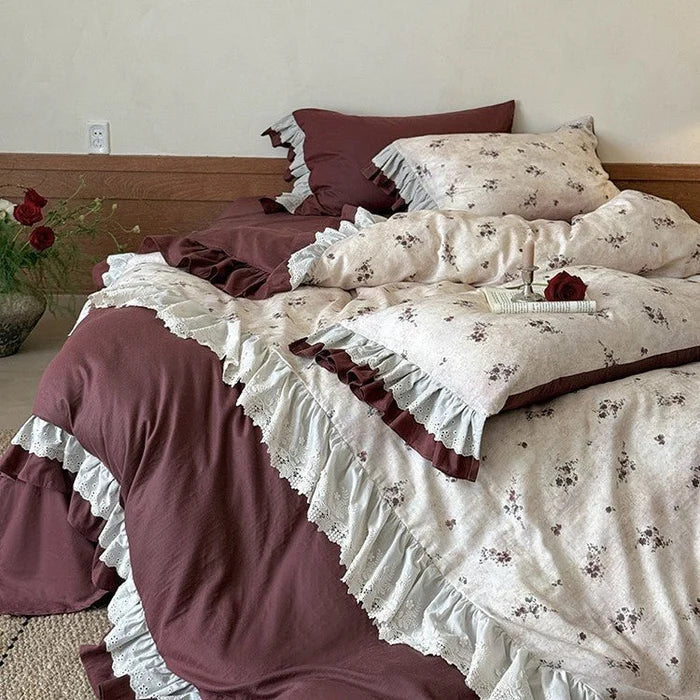
A set like the Brooks Solid Color Bedding Set is a good example of honest labeling, a clean single-ply cotton woven at a count that actually matches how it feels against your skin, rather than an inflated number designed to look impressive on a tag.
Shop the look:


The Sweet Spot: What This Thread Count Guide Recommends


Most cotton bedding reaches peak softness and breathability somewhere between 300 and 500. Past that range, manufacturers usually rely on the multi-ply tricks covered above to keep climbing the number, and the fabric often gets heavier and less breathable instead of softer.
• 180 to 280: budget-friendly, fine for guest rooms or a spare set.
• 300 to 500: the real sweet spot, soft, breathable, and durable for everyday use.
• 600 and up: usually relies on multi-ply yarns, often heavier and less breathable, not necessarily softer.


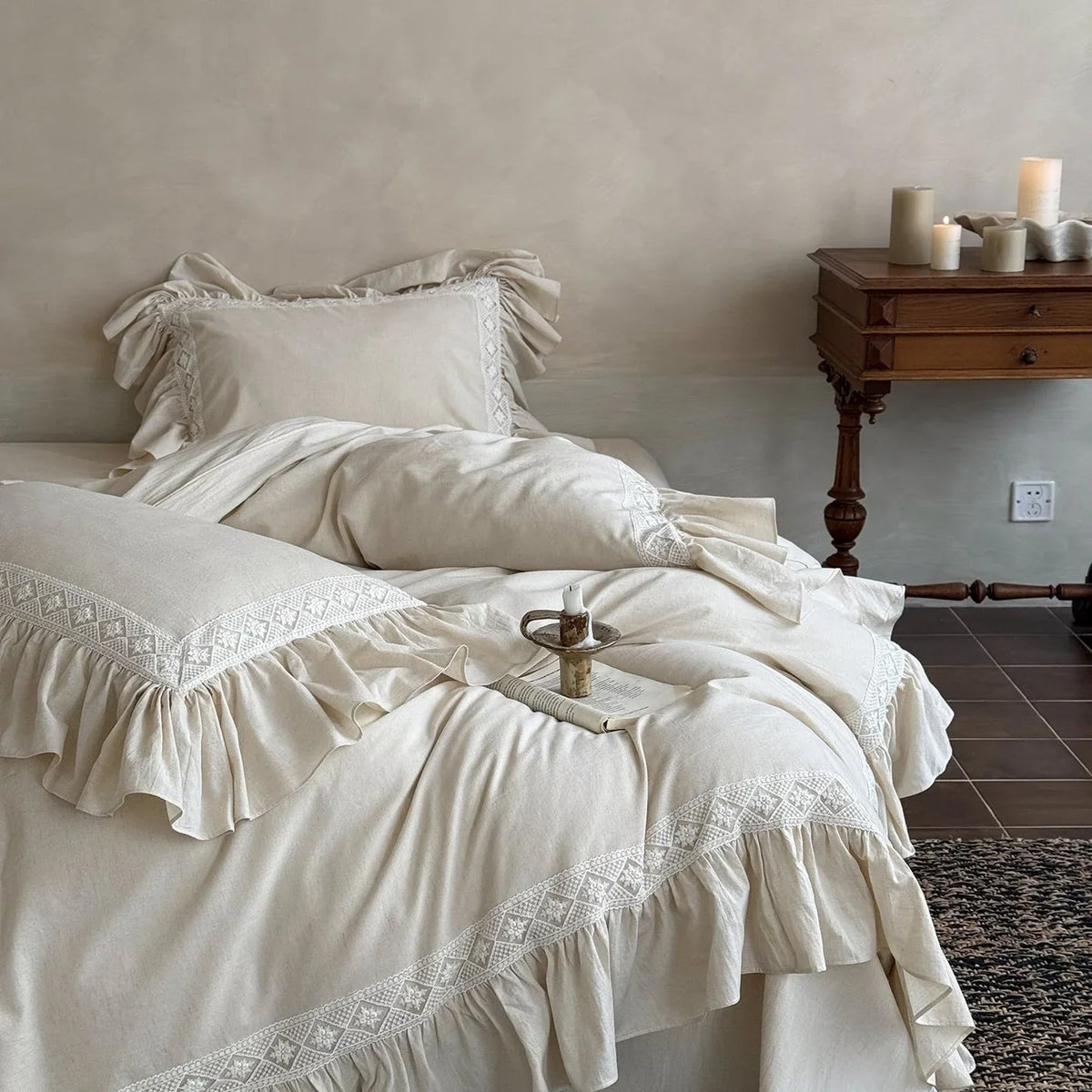
This thread count guide keeps coming back to the same point: the Seraphine Washed Cotton Bedding Set sits right in that 300 to 400 sweet spot, and it is noticeably softer to the touch than sheets with a far higher number on the tag.
Shop the look:


Cotton Type and Weave Matter More Than the Number


Fiber length changes everything. Long-staple cottons, like Egyptian or Pima cotton, use longer fibers that create a smoother, stronger thread, so the fabric resists pilling and feels silkier at the same thread count as a shorter-staple cotton.
Weave changes the feel just as much as fiber does:
• Percale: a simple one-under, one-over weave. Crisp, light, and cool, the classic “hotel sheet” feel.
• Sateen: more threads run on the surface, giving it a silkier shine and a warmer, heavier drape.
• Either weave can be made in the same thread count, the number alone will not tell you which one you are getting.


The Oliver Striped Cotton Bedding Set is a good percale example, crisp and cool, which is exactly why it pairs so well with the Ella Pure Cotton Pillowcases for a matched, breathable set.
Shop This Thread Count Guide’s Picks:


Choosing the Right Thread Count for Your Sleep Style and Season


Thread count is not the only number that matters here, fiber type matters just as much. Tencel, for instance, is not cotton at all. It is a plant-based fiber that is naturally cooling and moisture-wicking, which is why it is not usually sold on thread count the way cotton is.
• Hot sleepers or warm climates: lower thread count percale (180 to 300) or a tencel blend, both breathe and wick moisture well.
• Cold sleepers or cooler climates: a 400 to 500 sateen weave adds warmth and a silkier hand-feel.
• Year-round or sensitive skin: tencel resists bacteria and moisture naturally, a solid pick regardless of season.


If you run warm at night, the Cooling Tencel Sheet Set solves a problem thread count never could, since it is the fiber itself, not a higher number, doing the cooling work.
Achieve A Similar Look With:


How to Shop Smart: Reading Labels and Avoiding Thread Count Myths


Once you know what to look for, shopping gets a lot faster. Use this checklist the next time you are comparing sheet sets, whether it is on our site or anywhere else:
• Check the fiber first: Egyptian, Pima, or organic cotton, or tencel, before you even look at the number.
• Look for single-ply construction listed in the description, it is a sign the thread count is not inflated.
• Stay skeptical of anything above 600 unless the brand explains the weave and ply count clearly.
• Prioritize the weave, percale or sateen, based on how you actually sleep, not the label.


This is exactly the kind of transparency the Ethan Minimalist Bedding Set is built around, a clearly labeled, single-ply cotton with no inflated number hiding behind it.
Achieve A Similar Look With:


Final Thoughts


The number on the tag was never the whole story. A good thread count guide teaches you to check the fiber, the ply count, and the weave first, and treat the thread count number as one piece of the picture rather than the whole decision. Land somewhere in that 300 to 500 range with a long-staple cotton or a tencel blend, and you will feel the difference the first night you sleep on it.
If premium bedding makes you hesitate because you're picturing extra laundry stress,
"Bedding Myths That Make Bedding Care Feel Harder Than It Is"
is worth a quick read, most of what feels like a maintenance trade-off with higher bed count isn't actually true.
Summary:
Thread count measures threads per square inch, but multi-ply yarns can inflate the number without improving quality.
The 300 to 500 range is the real sweet spot for cotton sheets, past 600 usually means heavier, not softer.
Accounting for the quiet moments that could potentially weigh you down as they pile up creates a life-changing difference.
Fiber length and weave, percale versus sateen, shape the feel more than the number ever will.
Prepare for your day with mentally stimulating or decluttering activities for a clear mind and regulated nervous system.
Looking For Another Read?


Quick FAQ:
Is a higher thread count always better quality?
No. Past around 500 to 600, many brands reach that number using multi-ply yarns, twisting several thin threads together and counting each twist separately. This often makes the fabric heavier and less breathable rather than softer, so fiber type and weave matter more than the number alone.
What thread count is best for hot sleepers?
A lower thread count percale weave, generally 180 to 300, breathes well and feels cool against the skin. Tencel is another strong option for hot sleepers, since it is naturally moisture-wicking regardless of thread count.
Is Egyptian cotton always worth the extra cost?
Genuine Egyptian cotton, grown with long-staple fibers, does tend to feel smoother and last longer than shorter-staple cotton at the same thread count. The catch is that the label is loosely regulated, so it is worth buying from a brand that is transparent about its sourcing rather than relying on the name alone.
Anything We Missed?
Thanks for reading till the end, we hope this thread count guide makes your next sheet shopping trip a little easier.
Quick Links:
To read more inspo blog. To shop our new arrivals.
♡ Don't forget to share your progress and room makeovers with us by using #EverLastingMakeover #EverLastingFabric and tagging us @EverLastingFabric.