Design Therapy: The 5 Bedroom Design Mistakes That Make Your Room Feel Less Comfortable


You know that feeling when you’ve spent time making your bedroom look nice, but somehow it still doesn’t feel as comfortable as you want it to?
Maybe you’ve bought the bedding you love, moved the furniture around a few times, added some decor, and even tried to make everything feel a little more cosy. But when you actually spend time in the room, something still feels off. The bed might feel awkwardly placed, there may be too much going on around you, or the whole space might feel smaller and more crowded than it really is.
It’s easy to think the answer is to keep adding things. Another cushion. Another throw. A new piece of decor. Maybe even a completely different colour scheme.
That disconnect isn't about taste. It's about a handful of bedroom design mistakes that quietly work against comfort, no matter how nice the individual pieces are. A designer walking into your room could probably spot the issue in under a minute. You don't need a designer's eye to fix it. You need to know what to look for.
But before you start buying anything else, take a closer look at the way your bedroom is already put together. Here are the five bedroom design mistakes that come up again and again, why each one actually undermines comfort, and what to do instead.
Table of contents
Mistake #1: Furniture Placement That Fights the Room


Where the bed sits changes more than the floor plan. It changes how safe and settled the room feels, and it's one of the most common bedroom design mistakes people don't think to check first.
Beds pushed into a corner, wedged against two walls, or floating with no wall behind the headboard tend to feel exposed rather than restful, even if the person sleeping there couldn't say why. A headboard against a solid wall, ideally the one furthest from the door, gives the room a sense of anchor. Without that, your eye and your nervous system stay slightly unsettled, even in a room that looks put together. The same logic applies to walkways: squeezing past a dresser or chair to reach the bed registers as friction, not comfort, every time you cross the room.
What to check and fix:
- Confirm the headboard sits against a solid wall, not a window or open space
- Leave at least 24–30 inches of clear walking space on each side of the bed
- Avoid placing the bed in direct line of sight from the door if you can help it
- Pull furniture away from corners rather than pushing everything to the edges
If your current frame makes the room feel more cramped than it should, something like the Marshmallow Bed Frame can open up visual space without losing structure, which matters more in a small room than people expect.
Tackle the one of the first bedroom design mistakes
Mistake #2: Visual Clutter on Every Surface


A comfortable room needs your eyes to rest, and clutter doesn't let that happen. This isn't about being tidy for its own sake, it's about how many decisions your brain makes just by looking around, and it's one of the bedroom design mistakes that's easiest to overlook because nothing about it looks "wrong."
Nightstands stacked with chargers, half-read books, and yesterday's water glass. A dresser top that's become a landing zone for everything without a home. None of it looks dramatic on its own, but the cumulative effect is a room that feels busy even when you're lying still. A bedroom should function as a retreat, not another workspace, and cluttered surfaces are one of the fastest ways to undo that.
Quick clutter checks that make an immediate difference:
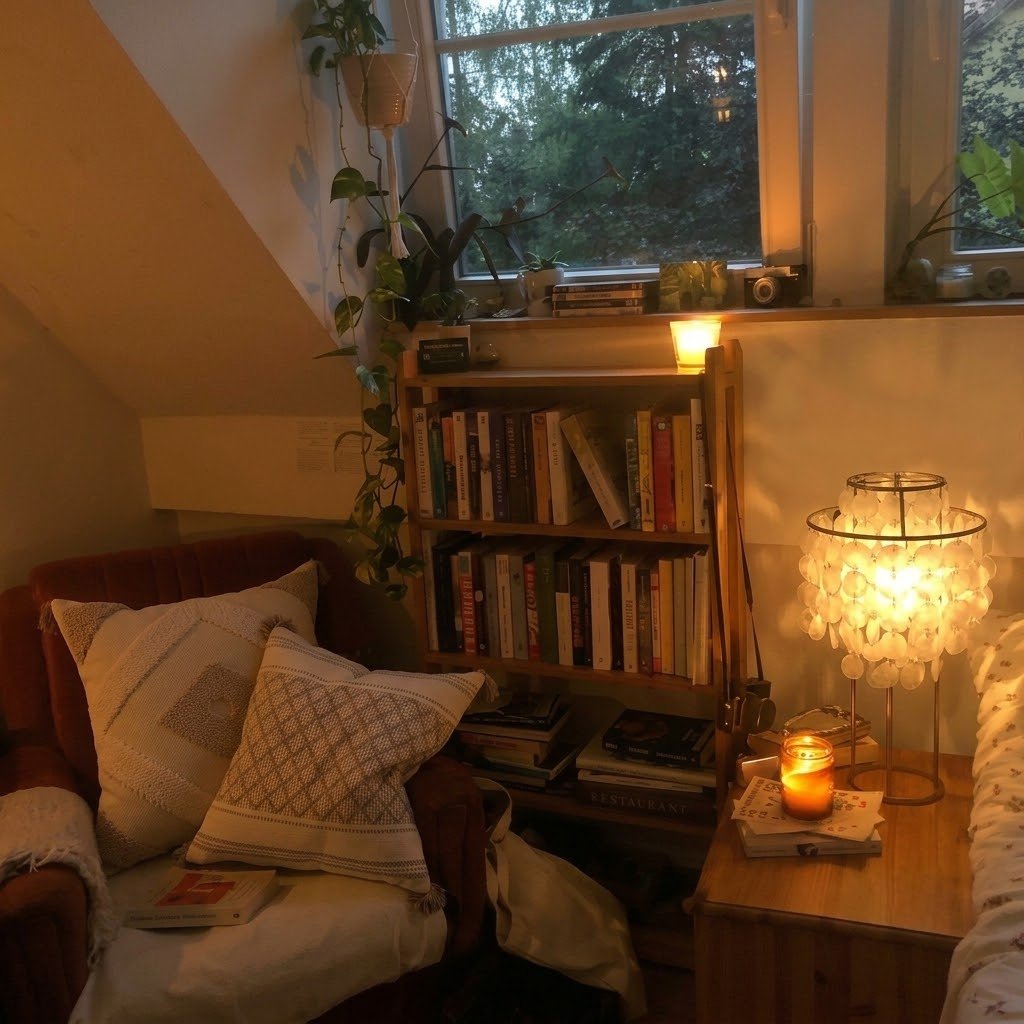
- Clear nightstands down to 2–3 items: a lamp, a book, maybe a small tray
- Give dressers one styled zone (tray, mirror, a photo) instead of open real estate
- Move chargers, remotes, and daily clutter into a drawer or small organizer
- Do a five-minute reset each evening instead of a deep clean each month
Giving loose items an actual home instead of a flat surface to pile up on is as simple as adding a Wall Mounted Hanging Storage Bag near the bed or dresser.
Storage pieces that keep surfaces clear
Mistake #3: Furniture and Decor at the Wrong Scale


Scale is the mistake almost nobody names correctly, because it doesn't look wrong, it just feels off. This is one of those bedroom design mistakes that hides in plain sight: an oversized bed frame or armoire in a modest room doesn't just take up space, it dominates it, making the whole room feel smaller and more crowded than it actually is. The reverse happens too. Tiny furniture in a large room can look lost and make the space feel cold and under-furnished, even though there's technically enough there.
The same principle applies to soft furnishings. A rug that's too small for the bed makes the whole layout look like it's floating, unanchored. Pillows that are all one size read as flat. Curtains that stop short of the floor make ceilings look lower, not higher.
Check the proportions of your room:
- Is your bed dominating the available floor space?
- Are your bedside tables large enough to balance the bed?
- Does your rug extend far enough under the bed?
- Are decorative pieces appropriately sized for the wall or furniture beneath them?
- Does the room have a mixture of heights, or does everything sit at roughly the same level?
A well-placed mirror can also make a smaller bedroom feel more open by reflecting light and creating the impression of more space. A Vintage Wooden Butterfly Mirror can do this while adding character to an otherwise empty wall, giving the room a decorative focal point without needing several smaller pieces to fill the space. If your bedroom feels a little cramped check out our guide on The Art Of Reflection: Transform Your Space With Mirrors, to help your room feel more spacious, balanced, and elevated.
For pieces that help balance the room
Mistake #4: A Bed With No Texture Variation


Even a well-placed bed with the right amount of furniture around it can still feel flat if everything on top of it is doing the same thing. One flat sheet, one smooth duvet, no variation, and the whole bed reads as one note. This is the bedroom design mistake most people fix by buying more, when what the bed actually needs is contrast.
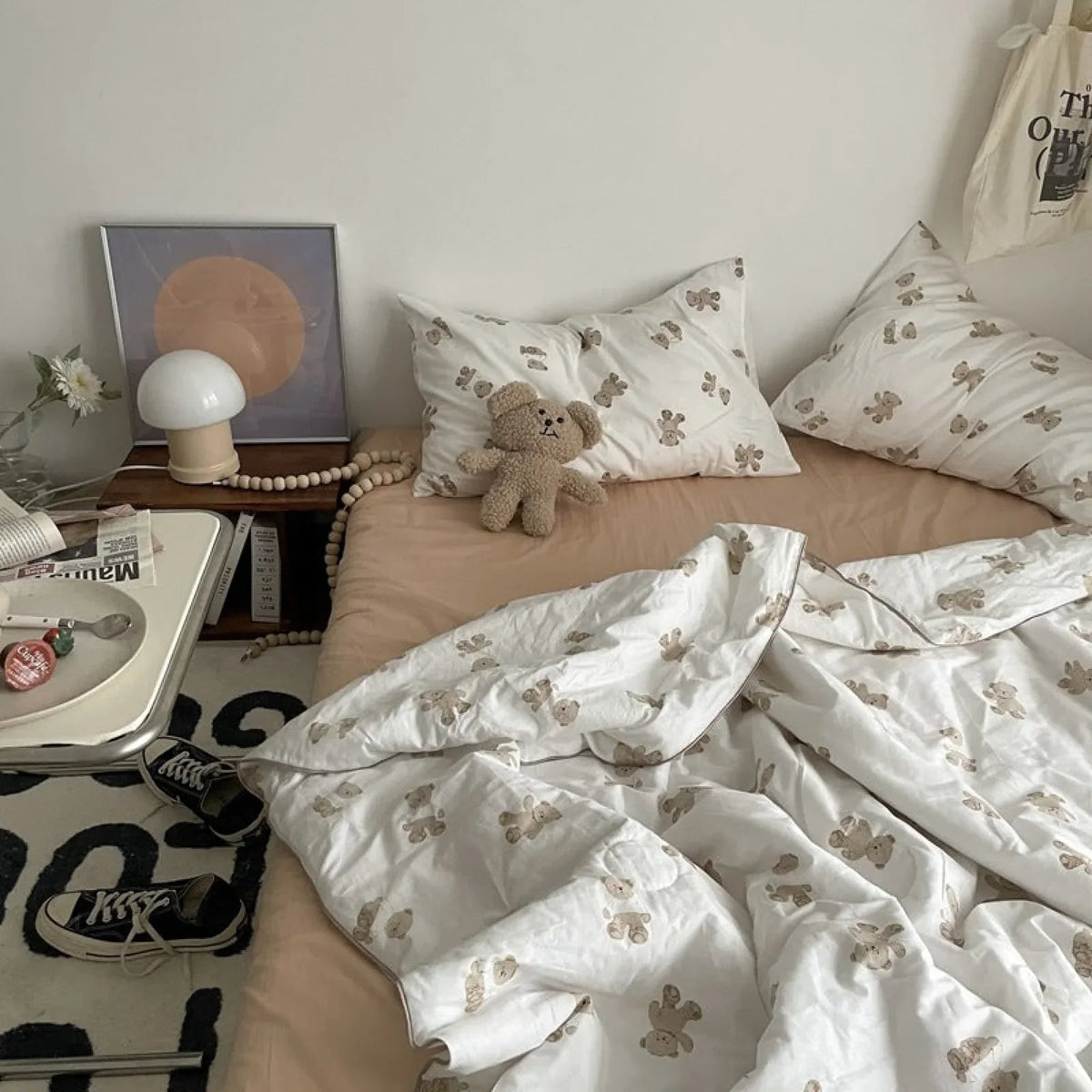
Texture is what your eye and your hand use to register a space as warm and inviting instead of simply "finished." A knit throw next to a smooth duvet, a textured lumbar pillow against a plain sham, these small contrasts are doing more work for comfort than most people realize. Rooms that skip this step tend to look styled for a catalog rather than lived in.
Simple ways to add texture without redoing the whole bed:
- Add one throw in a different weave or knit than your duvet cover
- Mix at least one matte fabric with one that has a slight sheen
- Layer 2–3 pillow textures instead of matching every pillowcase
- Let one layer fold back or sit slightly askew instead of perfectly flat
Starting with something like our Washed Cotton Bedsheets, which comes in 15 colors to choose as you please, as a smooth, structured base leaves room to build texture on top rather than competing with it.
Bedding bases built for layering texture
Mistake #5: One Light Source Doing All the Work


This is the bedroom design mistake most people fix last, if they fix it at all, and it's often the one doing the most damage. A single overhead fixture lighting an entire bedroom creates flat, often harsh light that makes even well-chosen furniture and bedding look plain.
Comfort comes from layered light: general lighting for the room, task lighting for reading, and accent lighting for mood, working together instead of one bulb trying to do all three jobs at once. A room lit only from above also tends to cast shadows in the wrong places and wash out warm tones in your bedding and walls.
Think about three types of bedroom lighting:
- Ambient lighting: provides general illumination for the room.
- Task lighting: helps with activities such as reading or getting dressed.
- Accent lighting: highlights specific areas or adds a softer secondary source of light.
Before you buy another throw pillow, try turning off the overhead light and switching on something like the Egg Glass Lamp next to the bed instead. The aim is not to make the room brighter, but to make the lighting more useful and adjustable.
Lamps that add warmth without overpowering a room
Final Thoughts


None of these five bedroom design mistakes are really about taste. They're about a handful of decisions, furniture placement, clutter, scale, texture, and light, quietly working against the comfort you're trying to create.
The good news is that none of them require starting over. A bed pulled a few inches from the wall, a nightstand cleared down to three items, one textured throw, one warm lamp: small corrections, applied to the right five things, change how a room feels far more than another decorative object ever will.
If your bedroom could use a few thoughtful changes, start with pieces that make the space work harder without making it feel more crowded. Explore our Apartment Essentials to find pieces that add comfort, texture, and personality while fitting naturally into the space you already have. Happy Decorating!
Summary:
A bed placed in a corner or without a solid wall behind the headboard is one of the most common bedroom design mistakes, and it can make a room feel unsettled even when everything else is well designed.
Clutter on visible surfaces like nightstands and dressers adds mental noise that keeps a room from feeling like a true retreat.
Furniture, rugs, and pillows at the wrong scale for the room can make a space feel cramped or oddly empty, regardless of how nice each individual piece is.
Relying on a single overhead light source drains warmth from a room; layered lighting with warm-toned bulbs does more for comfort than most decor changes.
Looking for another Read?


FAQ:
WHY DOES MY BEDROOM FEEL UNCOMFORTABLE EVEN THOUGH IT LOOKS NICE?
Usually it's one or more of the five bedroom design mistakes covered here, most often furniture placement or lighting, rather than anything to do with your actual taste or bedding quality. A room can look styled correctly in photos and still feel unsettled to actually live in if the bed lacks a solid wall behind it or the lighting is a single harsh overhead source.
WHAT IS THE MOST COMMON BEDROOM DESIGN MISTAKE?
Furniture placement, specifically a bed with no solid wall behind the headboard, is one of the most frequently cited bedroom design mistakes among designers. It's an easy one to miss because the room can still look balanced from the doorway even when the sleeping position itself feels exposed.
HOW DO I MAKE A SMALL BEDROOM FEEL COZY INSTEAD OF CRAMPED?
Focus on scale before you focus on decor. Right-sized furniture, a rug large enough to anchor the bed, and layered lighting will do more for a small room than adding more items. Oversized furniture is one of the bedroom design mistakes that hits small rooms hardest.
DOES LIGHTING REALLY MAKE THAT MUCH DIFFERENCE TO HOW COMFORTABLE A ROOM FEELS?
Yes. Layered, warm-toned lighting changes how every other design choice in the room reads, from bedding color to wall tone. A single cool-white overhead light is one of the bedroom design mistakes that undoes good styling elsewhere in the room without anyone realizing why.
Anything We Missed?
Thanks for reading till the end — we hope it brought a little calm and inspiration to your day.
Discover more: Inspiration Blog · New Arrivals ·
Stay tuned for our next story, or share this one to spread the calm.
♡ Share your makeover moments with #EverLastingMakeover and tag @EverLastingFabric
Connect with us:
Instagram | Facebook | TikTok | Pinterest | YouTube