Which Halloween Bedroom Are You? The Halloween Icons Bedroom Guide


Your Halloween bedroom doesn't need a single pumpkin.
Most Halloween bedroom ideas stop at orange string lights and fake cobwebs, which look festive for a week and strange for the other fifty-one. The better question isn't how to decorate for Halloween. It's which Halloween icon your bedroom already wants to be.
The witch, the werewolf, and the vampire aren't costumes here. They're the characters you've loved since the first time you saw Practical Magic, read Dracula, or stayed up too late with Wuthering Heights, and each one has its own colors, fabrics, and moods. Chances are one of them already sounds like the room you keep trying to build. This Halloween bedroom guide breaks down five of them, how to tell which one is yours, and exactly what to build it with: the color, the texture, and the weight of the fabric.
And if you'd rather curl up than haunt, we've got you too: "The Fall Gift Guide: 6 Cozy Bedding and Pajama Pairings for Staying In"is full of soft, ready-made pairings for drowsy Sunday mornings and long, lazy evenings in.
The Midnight Folklore Field Guide to Haunted Bedrooms
Table of contents
The Witch Bedroom: Dark Botanicals and Layered Mystery


The witch bedroom is built on density. Everything feels collected over time and slightly secret, like a room with a few drawers you haven't opened yet. Picture the Owens sisters' herb-hung kitchen in Practical Magic, Sabrina Spellman's attic bedroom, or the crowded, candlelit corners of the Sanderson sisters' cottage in Hocus Pocus. If you're drawn to pressed flowers, apothecary shelves, and rooms that feel better by candlelight, this is your icon.
The most common mistake is going all black. A witch bedroom lives in deep, botanical color instead: forest green, plum, ink blue, and aged neutrals, with a floral print doing most of the work. Florals read as mysterious rather than sweet when they sit on a dark background, which is the whole trick of this aesthetic. Texture matters just as much, since fabric that looks softly creased and lived-in reads as old, and old is what makes a room feel enchanted rather than staged.
How to build the witch bedroom:
- Anchor the bed in a dark floral in green, plum, or ink so the botanical print carries the mood
- Layer two or three fabrics with different textures, like washed cotton under a heavier throw
- Mix pattern scales: one large floral next to a small print or a plain, deep solid
- Choose warm, low lamp light over cool white, which flattens dark fabric instead of enriching it
- Keep one softly rumpled layer, because nothing in a witch's room should look straight out of the package


The easiest starting point is a dark floral set like Birchwood Cotton Floral Bedding, since the print does the botanical storytelling before anything else is added to the room. Picture the blooms half-lost in shadow, climbing across the duvet the way ivy climbs an old garden wall, so the bed already looks like something that grew there, dark and witchy.
From there, a textured throw draped unevenly across the foot of the bed adds the layered, collected feel that separates a witch bedroom from a simply dark one, and a washed cotton layerunderneath lends the soft, creased finish of linens that have been slept in for yeaars.
Witchy Florals To Start off Your Halloween Bedroom Guide


The Werewolf Bedroom: Forest Textures and a Moonlit Calm


Where the witch bedroom is mystical, the werewolf bedroom is raw and grounded. It's the room of someone who'd rather be in the woods, the one who owns more flannel than they'd admit, and wants their bedroom to feel like a cabin after dark. Think Remus Lupin's patched cardigans and cluttered cottage in Harry Potter, Jacob Black's forest-edge life in Twilight, or the fog-wrapped woods of The Wolf Man. If your ideal evening involves a heavy blanket and the sound of wind outside, start here.
The defining rule of this aesthetic is matte over shine. Nothing glossy, nothing precious, only fabric with visible grain and weight. The palette comes straight from a forest at night: moss, bark brown, charcoal, and bone. A single cool, silvery note, like slate or smoky grey-blue, stands in for the moon and keeps the earthy tones from tipping into muddy.
How to build the werewolf bedroom:
- Choose natural, matte fabrics like linen, where the visible texture is the point
- Build the palette from moss, bark, charcoal, and bone rather than pure black
- Add one plaid for a lodge-like, lived-in edge
- Include one cool slate or grey-blue piece to act as the moonlight against the warmer tones
- Pick coarse, chunky textures over smooth ones, since this room should feel rugged to the touch


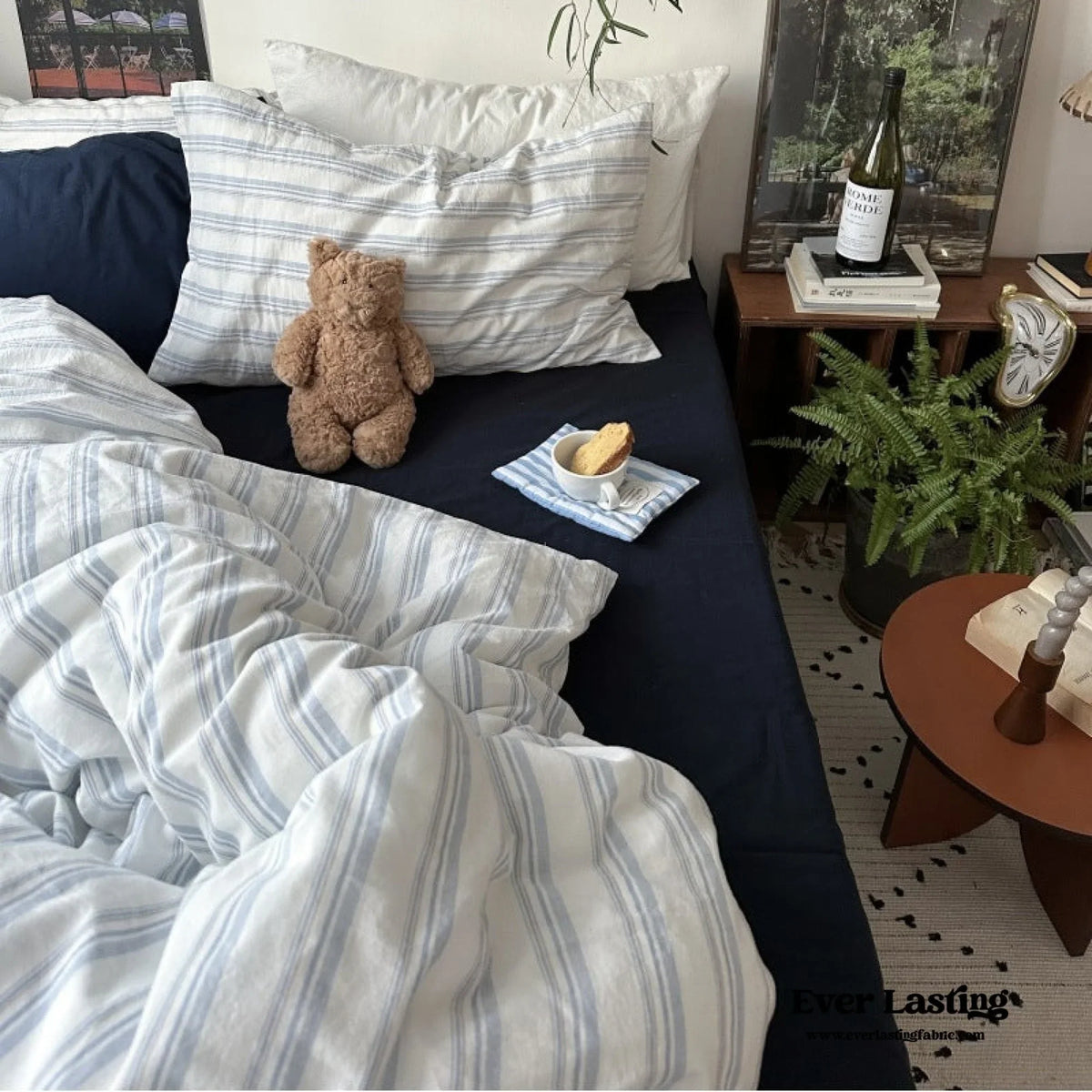
Natural linen does a lot of the work here, and a set like Rhea Pastel Bedding Set gives you that slightly rumpled, earthy base without trying to look polished. Its coarse, visible weave catches the light softly rather than reflecting it, which is exactly the matte, forest-floor quality this room is after, and the natural creases only add to it.
Layer a plaid or heavy knit throw over the top and the bed starts to feel like somewhere you'd retreat to after a long night outside, heavy, warm, and a little wild around the edges. Let the cooler slate or grey-blue piece sit at the foot of the bed like moonlight spilling across the floorboards, and the whole room takes on that hushed, moonlit calm.
Natural linen and earth-toned bedding for a werewolf bedroom


The Vampire Bedroom: Violet, Deep Reds, and Drama


The vampire bedroom is the one icon where shine is allowed. It's theatrical, rich, and a little excessive on purpose. Think of the velvet-draped, candlelit rooms Louis and Lestat share in Interview with the Vampire, the blood-red grandeur of Coppola's Dracula, or the brooding, old-soul romance of Edward Cullen in Twilight. If you want your bedroom to feel like an old estate at midnight, with heavy fabric, deep color, and nothing understated, this is your match.
Deep red is the signature, and the specific shade matters. Oxblood, burgundy, and wine look almost black in low light and then flash to rich red as light catches them, which is exactly the effect you want. Velvet is the best fabric for it because its nap reflects light unevenly, so the bed looks different from every angle. Pair the red with black instead of white, since white would break the spell.
How to build the vampire bedroom:
- Choose one dominant deep tone, like oxblood, burgundy, or wine, and commit to it
- Contrast with black rather than white to keep the mood dark and dramatic
- Use velvet where light can catch it, so the bedding shifts in tone through the evening
- Add one antique-inspired detail, such as ruffle, lace trim, or a Victorian-style print
- Keep lighting low and warm so the red deepens instead of washing out


A bedding set like the Vera Tencel Lace Bedding gives you the saturated, light-catching base that the whole look depends on. It has a depth other fabrics can't fake: the nap shifts from near-black in the folds to a glowing, jewel-toned red where the lamplight lands, so the bed seems to change character as the evening goes on. Let it fall in heavy, generous folds rather than pulling it tight, because the drape is half of the drama.
To finish the character, a robein a deep tone makes the bedroom feel like it extends all the way to what you wear in it, so even the walk across the room to switch off the lamp feels a little like a scene from a very old film.
Velvet and deep red bedding for a vampire bedroom


The Gothic Romantic Bedroom: Black Lace and Faded Roses


The gothic romantic bedroom is the vampire's softer cousin. It trades grandeur for tenderness, and the drama comes from contrast: delicate details set against a dark palette. It's Morticia Addams in black lace, Lydia Deetz's dramatic, dark-walled bedroom in Beetlejuice, and Edith Cushing drifting through candlelit corridors in her ruffled nightgowns in Crimson Peak. If you love coquette bows and ruffles but want them after midnight, this is the aesthetic that was made for you.
What separates it from the vampire bedroom is restraint. The palette is small, mostly black and ivory with one faded tone like dusty rose, and the florals are muted, as if the roses have been pressed in a book for a hundred years. Soft details like lace, ruffles, and ribbon carry the romance, and the dark base stops it from turning sugary.
How to build the gothic romantic bedroom:
- Pair a soft detail, like ruffle, lace, or ribbon, with a dark foundation color
- Choose faded, muted florals instead of bright ones
- Limit the palette to black, ivory, and one dusty accent
- Start with pillowcases if you want a low-commitment way in, since trim details show up beautifully there
- Extend the look with a lace-trimmed nightgown or pajama set so the style carries beyond the bed


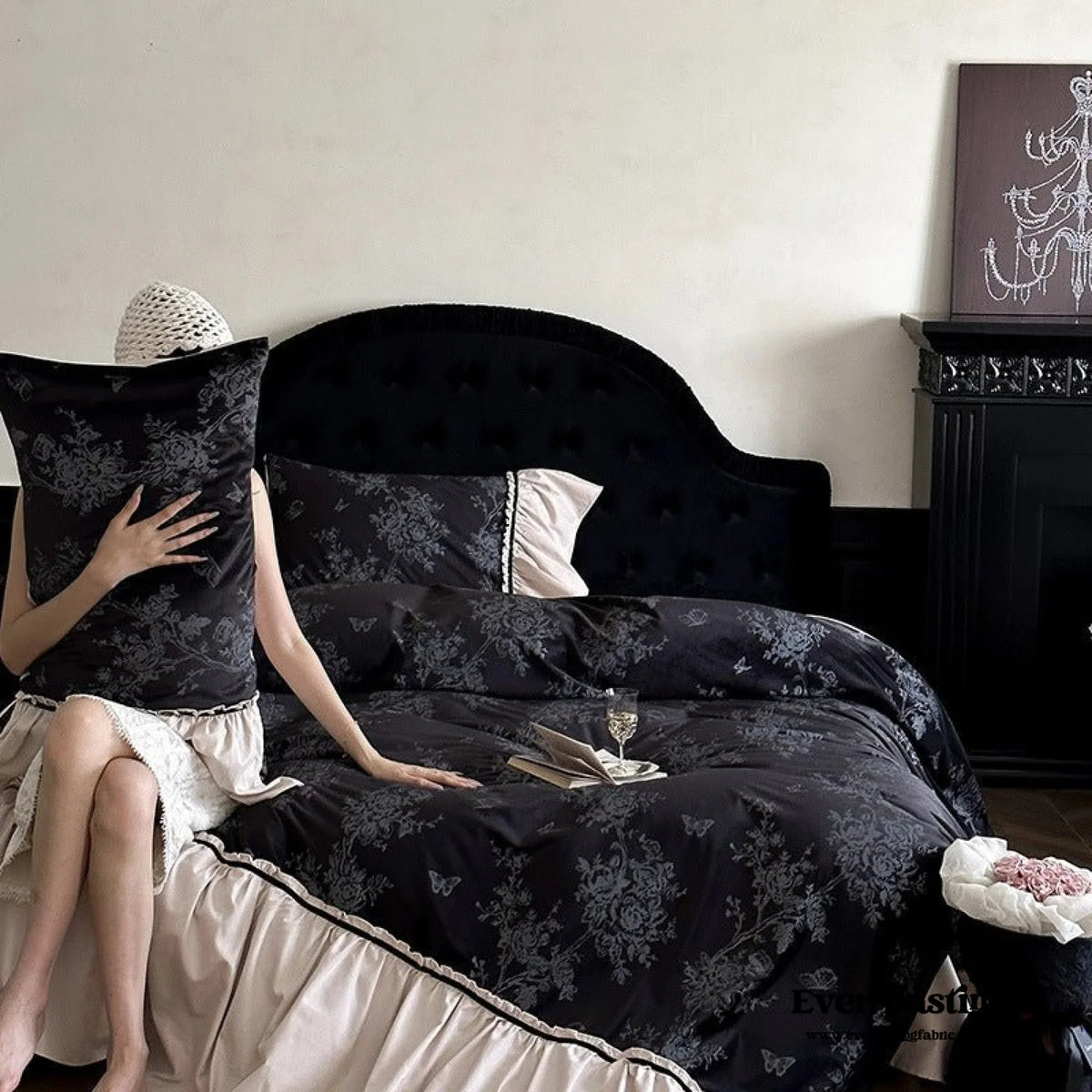
A ruffled or lace-trimmed set like Stripe Lace Ruffle Bedding Set is the quickest way to get that dark-meets-delicate balance on the bed. The trim does the storytelling: a soft ruffle along a pillow edge or a band of lace at the hem catches the eye against the darker fabric, the way a pale ribbon stands out against black velvet. Keep everything else quiet, and let those details be the only thing that whispers, so the bed reads as tender and a little melancholy.
Moody, lace-trimmed bedding for a gothic romantic bedroom


The Literary Gothic Bedroom: Dark Academia After Dark


The literary gothic bedroom belongs to the reader. Think Jane Eyre pacing the halls of Thornfield, the windswept moors of Wuthering Heights, the shadowed grandeur of Manderley in Rebecca, and Edgar Allan Poe's lamplit study, with a stack of novels that never quite makes it back to the shelf. Where the witch is mystical and the vampire is theatrical, this icon is scholarly: moody, but quietly so.
The palette is muted and a little worn, with ink blue, forest green, deep brown, and aged cream, nothing saturated or glossy. Pattern comes from heritage prints like plaid and tweed-inspired checks, which signal old study rather than old castle. Washed cotton suits the look well, because its softly faded finish makes the whole bed feel like it's been read in for decades.
How to build the literary gothic bedroom:
- Build the palette from ink blue, forest green, deep brown, and aged cream
- Bring in a heritage plaid as your main pattern
- Favor washed, matte fabrics over anything shiny or silky
- Layer a heavier throw as if it's meant for reading under, not for display
- Keep a warm reading lamp close to the bed, since this room is really about the book in your hands


A heritage plaid piece like the Matilda Gingham Bedding sets the scholarly tone straight away, and it pairs easily with plain washed cotton underneath. Fold it back at one corner, leave a half-read novel on the pillow, and the bed looks like it's been waiting for you all day. Add a robe for the walk to the kettle, and the whole room starts to feel like a chapter you're not ready to finish. If your literary streak leans toward laboratories and lightning more than windswept moors,
"How to Style a Frankenstein Inspired Halloween Bedroom" takes the same bookish, shadowy mood in a stranger, more experimental direction.
Heritage plaid and dark academia bedding for a literary gothic bedroom


Final Thoughts


A great Halloween bedroom isn't about decorating for October. It's about choosing the icon that matches how you actually like to live, then letting color, fabric, and texture do the rest. The witch wants depth and botanicals, the werewolf wants matte, rugged calm, the vampire wants velvet and drama, the gothic romantic wants lace against dark, and the literary gothic wants plaid and a good reading lamp.
None of them require a single pumpkin, and every one of them still looks right in November. That's the real appeal: Halloween is the excuse, and the room is yours to keep.
Once you've chosen your match, check out our Midnight Folklore Collection, and start designing your very own Halloween icon bedroom today. Happy haunting, and sleep well.
Summary:
A Halloween bedroom works best as a personality choice, not a decorating checklist, so start by identifying which icon fits how you like to live.
Witch and literary gothic bedrooms lean on pattern and layered texture, while werewolf bedrooms rely on matte, natural materials.
Vampire and gothic romantic bedrooms both use dark bases, but the vampire goes bold with velvet and deep red while the gothic romantic stays soft with lace and faded florals.
Every one of these aesthetics holds up long after October, since they're built from color, fabric, and texture rather than seasonal props.
Looking for another Read?


FAQ:
WHAT MAKES A HALLOWEEN BEDROOM DIFFERENT FROM A GOTHIC BEDROOM?
A gothic bedroom is a year-round style built on dark, dramatic or romantic tones, while a Halloween bedroom borrows from specific icons like the witch, werewolf, or vampire. The best Halloween bedroom ideas use those icons as a personality guide, so the room reads as a considered aesthetic rather than a seasonal decoration.
HOW DO I MAKE A HALLOWEEN BEDROOM WITHOUT IT LOOKING TACKY?
Skip the props and build from fabric, color, and texture instead. Dark floral bedding, velvet, plaid, or lace-trimmed pieces create the mood on their own, and they look like deliberate design choices rather than temporary decorations.
WHAT COLORS WORK FOR A HALLOWEEN BEDROOM BESIDES ORANGE AND BLACK?
Deep green, plum, oxblood, ink blue, bark brown, and aged cream all carry a Halloween mood without the obvious palette. Each Halloween icon has its own color story, like deep red for a vampire bedroom or moss and charcoal for a werewolf bedroom.
CAN I KEEP MY HALLOWEEN BEDROOM STYLE AFTER OCTOBER?
Yes, and that's the point of building it around an aesthetic instead of props. Dark florals, velvet, heritage plaids, and moody neutrals suit fall and winter well, so your Halloween bedroom can simply become your bedroom.
Anything We Missed?
Thanks for reading till the end — we hope it brought a little calm and inspiration to your day.
Discover more: Inspiration Blog · New Arrivals ·
Stay tuned for our next story, or share this one to spread the calm.
♡ Share your makeover moments with #EverLastingMakeover and tag @EverLastingFabric
Connect with us:
Instagram | Facebook | TikTok | Pinterest | YouTube