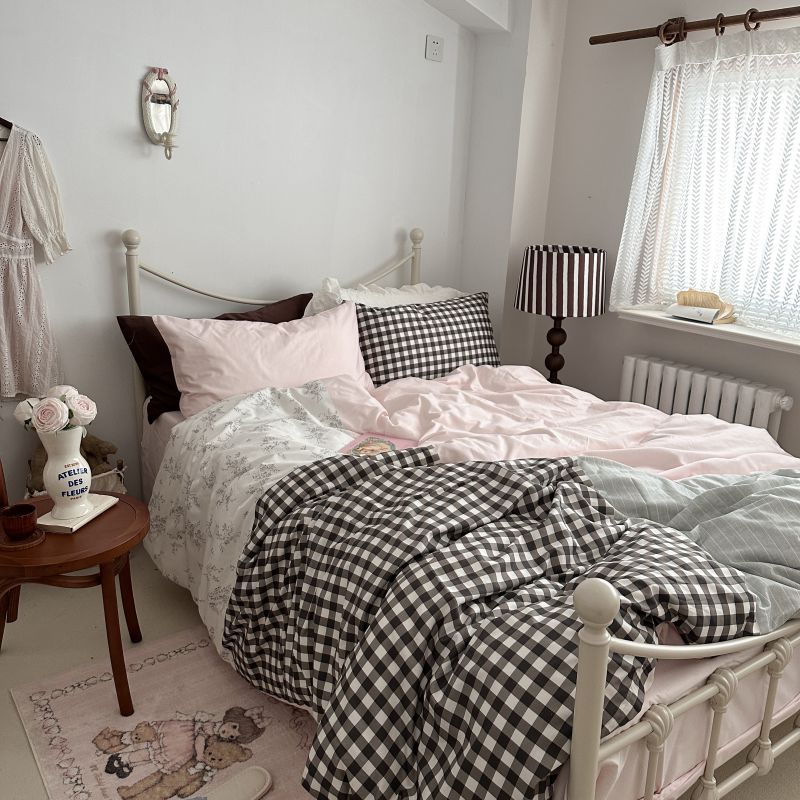
You're Exhausted But You Can't Sleep, Here's Why First Year Hits Different


Your suitcase: unpacked.
Your side of the room: done.
Photo on the wall. Laptop charging on the desk. Headphones still tangled from the flight.
Everything looks settled.
Your body didn't get the memo.
1am, and it still doesn't think this is home.
Not dramatic. Just biology.
This is first year sleep, and it's rougher than almost anyone warns you about.
Why First Year Sleep Is So Hard, and What Actually Helps


There's a real reason. It's called the first night effect.
Your brain runs guard duty in any room it doesn't know yet. One ear up. Like a dog in a new house.
Add the dorm specifics:
- • Walls thin enough for a stranger's laugh to leak through
- • Hallway light, one thin strip, always on
- • A mattress that's never held your shape
Exhausted. Wired. Both at once.
That's first year sleep.
Nobody warns you homesickness shows up in your body first. Not your feelings.
Good day, bad day, doesn't matter.
AC humming, 1am, still awake, because your nervous system hasn't cleared the room yet.
Good news: it fades. Fast, if you help it. Not with a bigger room. With proof your body can actually trust.
Here's where to start.
Unpack Something From Home Onto Your Bed


Your nose trusts faster than your brain does.
Bring your actual pillowcase, blanket or duet. Not a new one. The one shaped by your own head, for years.
One thing from home is enough. Something your hands find in the dark without looking.
Didn't pack one?
Go soft and breathable instead of stiff and new.
Our Light Weight Cotton Blanket: four thin layers, breathable cotton, feels lived-in from night one. Won't overheat a dorm room that already runs hot.
Our Picks For A Familiar Bed For That First Year Of Sleep
Give Your Body A Ritual It Can Set Its Clock To


Most nights: scroll until your eyes give out. Drop the phone. Expect sleep immediately.
Doesn't work that fast.
Try this instead:
- Phone face down, ten minutes before bed
- Overhead light off, one warm lamp on
- Same five minutes, same time, every night
Skip it, and 2am makes sense.
Your body's still stuck in daylight mode.
A warm, low light does the heavy lifting.
Our Egg Glass Lamp: soft enough to read by, none of the jolt of an overhead bulb.
A whisper, not an alarm.
Achieve A Similar Look With:
What You Wear To Bed Matters More Than People Think


Skipped the most, mostly because it sounds small.
But skin talks to your nervous system too. A hug drops your heart rate before you even register it. Soft fabric, worn-in, does the same thing. Especially on nights your chest feels tight and you can't say why.
One set of pajamas.
Sleep only.
Not studying, not the anxious call home.
Lights out, every time.
Our White Floral Pajama Set: soft, breathable cotton, built to mean one thing only. Bedtime.
Achieve A Similar Look With:
First year sleep doesn't fix itself overnight. But it speeds up.
You don't need to feel at home yet. You just need your body to believe it, for one night.
Suitcase: unpacked.
Nervous system: catching up.
Give it one small, familiar thing tonight:
- A pillowcase from home
- Five real minutes before lights out
- Pajamas that actually feel good
Won't fix everything by tomorrow. But it's usually the first real night of sleep in weeks.
The rest can unpack itself in time.
For more dorm-living tips, check out our blog:
"Dorm 101: How To Make A Small Dorm Room Feel Bigger (Without Buying More Stuff)"
Summary:
Your body treats a new dorm room the way it treats a hotel room, half on guard until it feels safe
Homesickness shows up physically before it shows up emotionally, and that's completely normal for first year
A pillowcase or blanket from home gives your body proof it recognizes, faster than any explanation
A short wind-down ritual keeps you from carrying the day's noise straight into bed
Soft sleepwear is a real physical signal, not indulgence, especially when anxiety is high
Looking for another Read?


FAQ:
How long does the first night effect actually last?
For most people, it fades within one to two weeks in a new space. A few restless nights can come back later too, like after a new roommate or a stressful week, and that's still normal, not a setback.
Is it normal to feel homesick even if I like my school?
Yes. Homesickness isn't about liking or disliking where you are, it's your nervous system adjusting to a new environment. You can be genuinely excited about college and still have your body take a few weeks to catch up.
What if my roommate's schedule keeps waking me up?
Try earplugs or a white noise option to soften unpredictable noise, and keep your own wind-down ritual consistent no matter what's happening on their side of the room. Controlling your own routine matters more than controlling theirs.
Anything We Missed?
Thanks for reading till the end — we hope it brought a little calm and inspiration to your day.
Discover more: Inspiration Blog · New Arrivals ·
Stay tuned for our next story, or share this one to spread the calm.
♡ Share your makeover moments with #EverLastingMakeover and tag @EverLastingFabric
Connect with us:
Instagram | Facebook | TikTok | Pinterest | YouTube