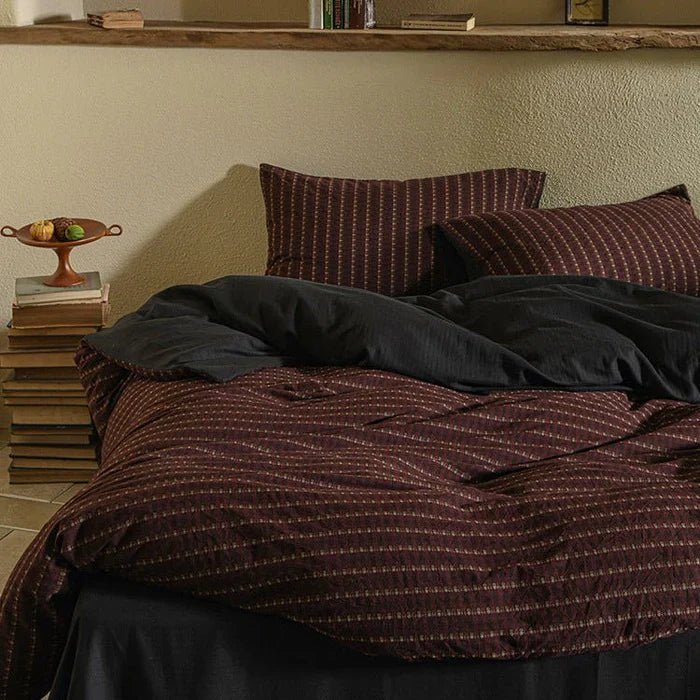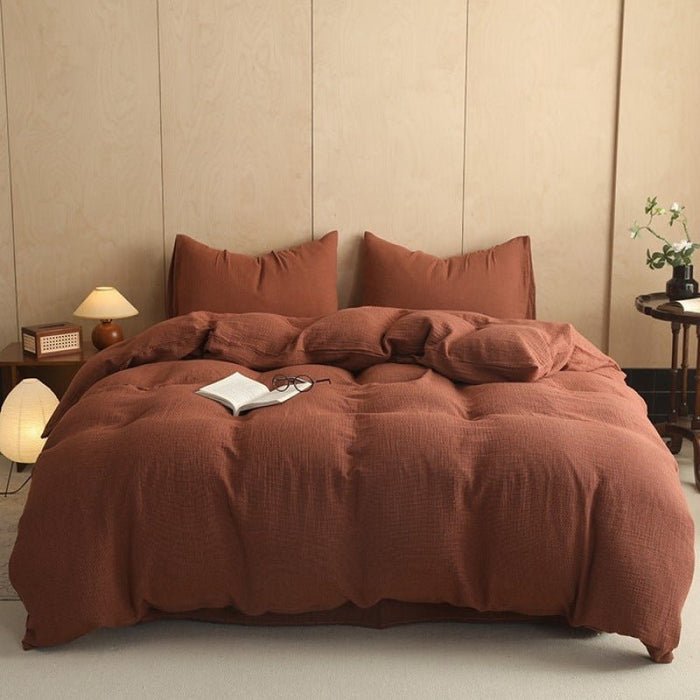
Bedding Quality GSM, Thread Count, Weave and What Actually Matters?

Walk into any bedding store or browse online, and you'll encounter a dizzying array of specifications: 1000-thread-count Egyptian cotton, 300 GSM microfiber, percale weave, sateen finish. But what does any of this actually mean for bedding quality? Most of these numbers are thrown around as marketing buzzwords designed to make products sound premium without explaining what they actually do for your sleep. Understanding bedding quality requires cutting through the noise to focus on the metrics that genuinely impact comfort, durability, and how your sheets perform night after night.
The truth about bedding quality is that many advertised specifications either don't matter as much as claimed or are deliberately misleading. Thread count above 400-500 often indicates lower quality fibers twisted together to inflate numbers rather than genuinely finer fabric. GSM (grams per square meter) matters for weight and warmth but tells you nothing about breathability or softness. Weave type dramatically affects feel and function, yet it's often buried in product descriptions or ignored entirely. Real bedding quality comes from understanding which specifications actually impact your sleep and which are primarily marketing noise.
This guide breaks down the actual science behind bedding quality metrics: what GSM measures and when it matters, the truth about thread count and why higher isn't always better, how weave type affects everything from temperature to durability, and which fabric properties genuinely determine long-term performance. You'll learn to evaluate bedding based on what actually matters rather than getting distracted by impressive-sounding but ultimately meaningless numbers. Understanding real bedding quality means buying smarter, sleeping better, and avoiding the expensive mistakes that come from trusting marketing over substance.
Table of contents
Understanding GSM: Weight That Matters


GSM (grams per square meter) measures fabric weight—literally how many grams one square meter of material weighs. This metric tells you whether fabric is lightweight, medium, or heavy, which affects warmth, drape, and seasonal appropriateness when evaluating bedding quality. But GSM alone says nothing about bedding quality in terms of softness, breathability, or durability. A 200 GSM cotton sheet and a 200 GSM polyester sheet weigh the same but perform completely differently in terms of bedding quality. Understanding when GSM matters helps you choose appropriate weight for your climate without mistaking heavier fabric for better bedding quality.
What GSM actually tells you about bedding quality:
150-250 GSM = Lightweight fabric ideal for warm climates and hot sleepers—breathable and cooling but potentially less durable
250-350 GSM = Medium weight, the sweet spot for most climates offering balance between breathability and substance
350+ GSM = Heavyweight sheets that feel substantial and warm, better for cold climates but potentially too heavy for summer
For duvet covers: 200-300 GSM provides year-round comfort, while 300-400+ GSM offers extra warmth for winter
GSM helps match fabric weight to temperature needs but doesn't indicate fiber quality, softness, or longevity


Our Simon Double Gauze Bedding Bundle features lightweight double-layered cotton gauze—perfect bedding quality that proves low GSM doesn't mean low performance when paired with proper weave construction. The mistake many people make is assuming higher GSM automatically means better bedding quality. Heavy sheets trap heat, making them uncomfortable for most sleepers except in very cold environments. They're also harder to wash and take longer to dry. Lightweight fabric with quality fibers and proper weave often delivers better sleep than heavyweight material with inferior construction. Focus on appropriate GSM for your climate paired with quality fiber rather than chasing maximum weight.


Explore our Washed Cotton Collection to see how proper construction delivers bedding quality at various GSM levels.
Double gauze bedding showing quality beyond weight:
The Thread Count Myth: Why Higher Isn't Always Better


Thread count measures how many threads are woven into one square inch of fabric—both horizontal (weft) and vertical (warp) threads combined. Marketing has convinced consumers that higher thread count automatically means better bedding quality, leading to ridiculous claims of 1000, 1200, even 1800 thread count. The reality is that thread count above 400-500 for single-ply yarn usually indicates manufacturers are using inferior fibers twisted together (2-ply or even 3-ply) to inflate numbers. This creates heavy, less breathable fabric that doesn't improve comfort despite impressive-sounding specifications.


The stes crisp, breathable fabric that gets better with washing and represents excellent bedding quality. For sateen weave, 300-600 thread count delivers smooth, lustrous sheets without sacrificing breathability or bedding quality. Beyond these ranges, increasing thread count requires using multi-ply yarns—twisting multiple strands together to count as separate threads—which actually reduces breathability, increases weight, and creates fabric that doesn't improve over time. Real bedding quality comes from fiber length and quality, not inflated thread counts that sound impressive but perform poorly and compromise bedding quality.


Our Silky French Black Rose Bedding Bundle uses quality long-staple cotton with appropriate thread density—proof that modest thread count with quality fiber delivers superior bedding quality over inflated numbers. What matters more than raw thread count when assessing bedding quality is fiber staple length—the length of individual cotton fibers before spinning. Extra-long staple (ELS) cotton with fibers 1.5+ inches long creates stronger, softer, more durable fabric even at moderate thread counts, delivering superior bedding quality. Short-staple cotton (under 1 inch) requires high thread counts and multi-ply construction just to feel decent, but it never achieves the performance or bedding quality of long-staple fibers. Focus on fiber quality and appropriate thread count for the weave type rather than chasing maximum numbers when seeking true bedding quality
Browse our Luxury Comfort Collection for ELS cotton bedding that prioritizes fiber quality over thread count gimmicks.
Quality bedding showing thread count isn't everything:
Weave Types: The Specification That Actually Changes Everything


If there's one specification that genuinely determines bedding quality and sleep experience, it's weave type. The way threads are interlaced creates fundamentally different fabrics even when using identical fibers and thread counts, dramatically affecting bedding quality. Percale weave (one thread over, one under) creates crisp, cool, breathable fabric perfect for warm sleepers seeking quality. Sateen weave (one thread over, three or four under) produces smooth, lustrous, slightly warmer fabric with excellent bedding quality. Jersey knit creates stretchy, soft, t-shirt-like bedding. Jacquard weave adds textured patterns. Each weave dramatically affects temperature, feel, and durability—making weave type crucial to bedding quality.


How different weaves impact your sleep:
Percale Weave - Maximum breathability with crisp, matte finish that stays cool; ideal for hot sleepers and warm climates, though wrinkles easily
Sateen Weave - Silky feel with beautiful drape and subtle sheen; slightly warmer and more wrinkle-resistant but less breathable than percale
Jersey Knit - Ultra-soft, stretchy comfort that feels cozy and casual; very wrinkle-resistant but may pill over time with friction
Twill Weave - Durable, soft fabric with diagonal texture; balances breathability and warmth for year-round comfort
Jacquard Weave - Textured patterns woven directly into fabric; adds visual interest while maintaining base weave properties


Our Jersey Knit Cotton Floral Bedding Set showcases knit construction rather than woven—soft, stretchy, breathable fabric proving bedding quality depends on choosing the right weave for your needs. Weave type also affects durability and long-term bedding quality differently than thread count or GSM. Percale weave creates strong, long-lasting fabric with excellent bedding quality because its tight over-under pattern distributes stress evenly. Sateen weave, with more threads floating on the surface, can develop pilling or snagging more easily despite feeling luxurious and offering smooth bedding quality. Jersey knit resists wrinkles but may stretch out over time. Choose weave based on your priorities when seeking optimal bedding quality: breathability (percale), softness (sateen or jersey), or durability (percale or twill).
Discover our Jersey Knit Cotton Collection to experience how knit construction delivers unique bedding quality.
Different weave types showing quality construction:
Fiber Type: The Foundation of Real Bedding Quality


While GSM, thread count, and weave all affect bedding quality, none of them matter as much as the actual fiber type you're sleeping on. Natural fibers like cotton, linen, and TENCEL regulate temperature, wick moisture, and improve with washing in ways synthetic fibers simply cannot replicate. Even the best-constructed polyester sheet with impressive specifications will never breathe like cotton or regulate temperature like linen. Understanding fiber properties is the foundation of evaluating real bedding quality beyond marketing specifications.


Cotton remains the standard for bedding quality—breathable, durable, and improving with each wash, especially extra-long staple (ELS) cotton that creates the softest, strongest fabric. Linen excels at temperature regulation, keeping you cool in summer and warm in winter while absorbing moisture efficiently; it feels crisp initially and softens beautifully over time. TENCEL (lyocell) offers silky smoothness with exceptional moisture-wicking properties—absorbing up to 50% more moisture than cotton—making it ideal for hot sleepers who need advanced temperature control. Bamboo is soft and antimicrobial but often processed with harsh chemicals that compromise sustainability claims. Microfiber (synthetic) is affordable and initially soft but traps heat and doesn't breathe like natural fibers, degrading sleep quality over time. Real bedding quality prioritizes natural fibers over synthetics.
Our Coquette Tencel Silky Ruffle Bedding Set demonstrates how fiber choice impacts bedding quality—silky-smooth, moisture-wicking, eco-friendly TENCEL that outperforms cotton in specific scenarios. The most important bedding quality question isn't about thread count or GSM—it's about fiber type and whether that fiber suits your sleep needs. Hot sleepers benefit from linen or TENCEL's advanced moisture management. Cold sleepers prefer cotton flannel or jersey knit's cozy warmth. Year-round sleepers do well with percale cotton's balanced breathability. Fiber quality (staple length for cotton, organic processing for linen, genuine TENCEL certification vs. generic bamboo rayon) matters more than any numerical specification on the label.


Browse our Bedding Bundles Collection to find comprehensive bedding quality at every price point.
Complete bedding systems showing comprehensive quality:
Final Thoughts


Understanding bedding quality requires looking beyond impressive-sounding specifications to evaluate the factors that genuinely affect your sleep. GSM tells you weight but not breathability or softness. Thread count above 400-500 usually indicates inferior fibers rather than superior quality. Weave type dramatically impacts temperature, feel, and durability in ways numbers can't capture. Fiber type and quality provide the foundation for everything else—natural fibers outperform synthetics, and long-staple fibers within each type deliver better performance. Real bedding quality comes from appropriate specifications working together rather than chasing maximum numbers in any single category.


The smartest approach to evaluating bedding quality involves asking the right questions: What's the actual fiber type and source? Is the thread count appropriate for the weave type, or is it inflated? Does the GSM match my climate needs? Which weave type suits my sleep preferences? Are construction details (seams, stitching, closures) durable? Does the finishing process enhance softness without harsh chemicals? These questions reveal real bedding quality far better than impressive numbers on marketing labels. Focus on comprehensive quality across all factors rather than single specifications that sound good but don't improve your sleep.
Ready to invest in genuine bedding quality beyond marketing hype? Start with our Audrey TENCEL Lace Ruffled Bedding Set featuring certified TENCEL fibers, appropriate construction, and thoughtful design—comprehensive bedding quality that delivers real performance.


Summary
✓ GSM measures weight, not quality: Fabric weight (GSM) tells you whether bedding is lightweight or heavy, helping match sheets to your climate—but says nothing about breathability, softness, or durability without considering fiber and weave.
✓ Thread count above 400-500 is often misleading: High thread count claims usually indicate multi-ply yarns that inflate numbers while reducing breathability—real bedding quality comes from long-staple fibers at moderate counts.
✓ Weave type changes everything: How threads are interlaced (percale, sateen, jersey, jacquard) dramatically affects temperature, feel, and durability—making weave the specification that most impacts actual sleep experience.
✓ Fiber type provides the foundation: Natural fibers (cotton, linen, TENCEL) regulate temperature and improve with washing in ways synthetics cannot—fiber quality matters more than any numerical specification.
Looking for another read?


FAQs:
Are there sustainable or eco-friendly bedding options?
Yes — organic cotton, linen, and OEKO–TEX–certified fabrics are eco-friendly and make great gifts for conscious shoppers.
What size should I get?
In terms of sizing, most college dorms have Twin XL beds. In that case, we recommend going with a small size bed set and flat sheet. If you're looking for a fresh start or not sure where to begin, we recommend checking out our bundles! Each bundle will include a pillow, duvet insert and bedding set! It is also already pre discounted! Say heyyy to savings.
Don't see the bundle for the style of bedding set you like? Reach out to us and we might be able to make it happen! :)
For more info on bedding and sizing check out our size guide.
How should I store my bedding after the season ends?
Fold and store in breathable cotton bags, avoid plastic containers, and keep in a cool, dry place to preserve color and fabric quality.
Anything we missed?
Thanks for reading till the end — we hope it brought a little calm and inspiration to your day.
Discover more: Inspiration Blog • New Arrivals •
Stay tuned for our next story, or share this one to spread the calm.
• Share your makeover moments with #EverLastingMakeover and tag @EverLastingFabric
Connect with us:
ethical decor ethical decor ethical decor ethical decor