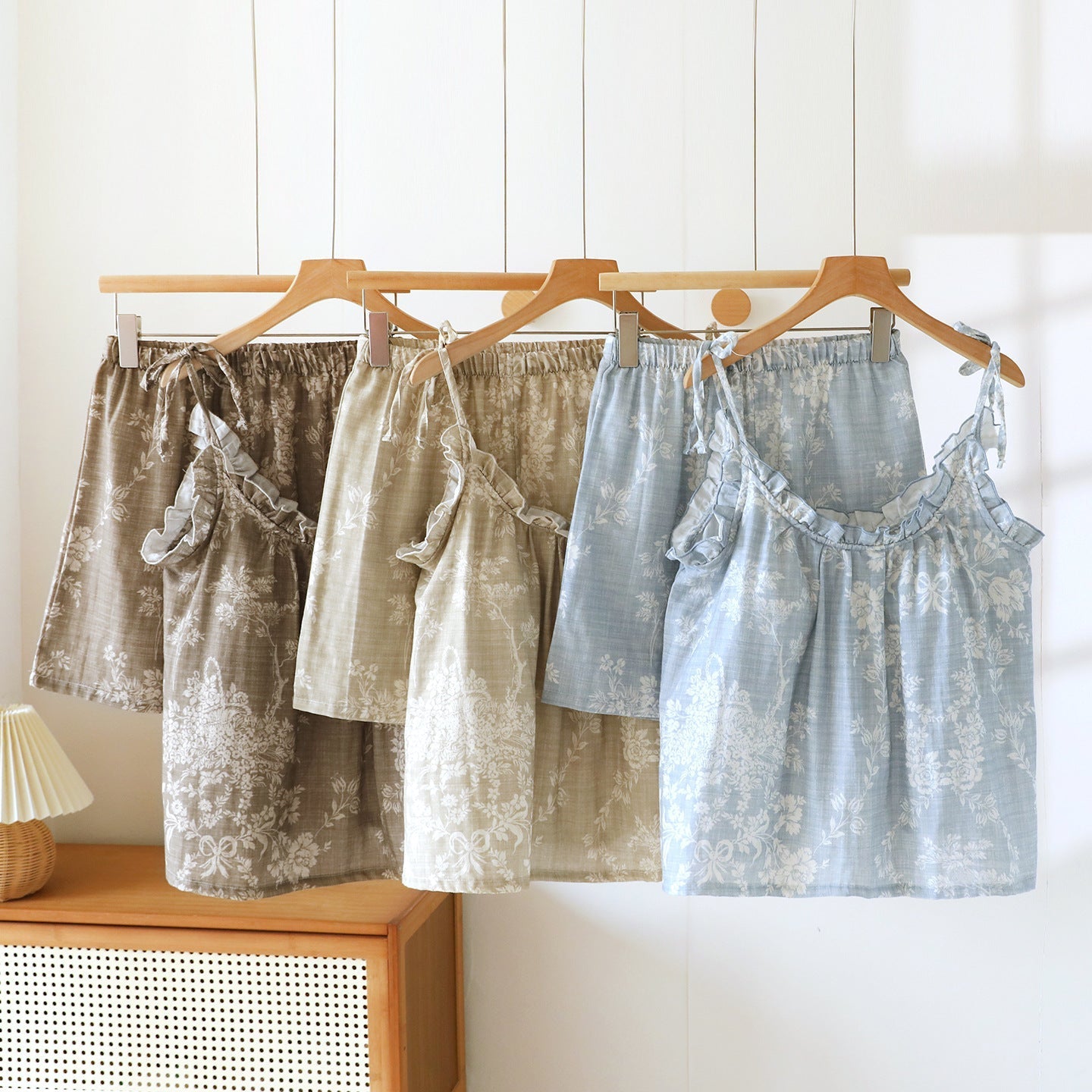
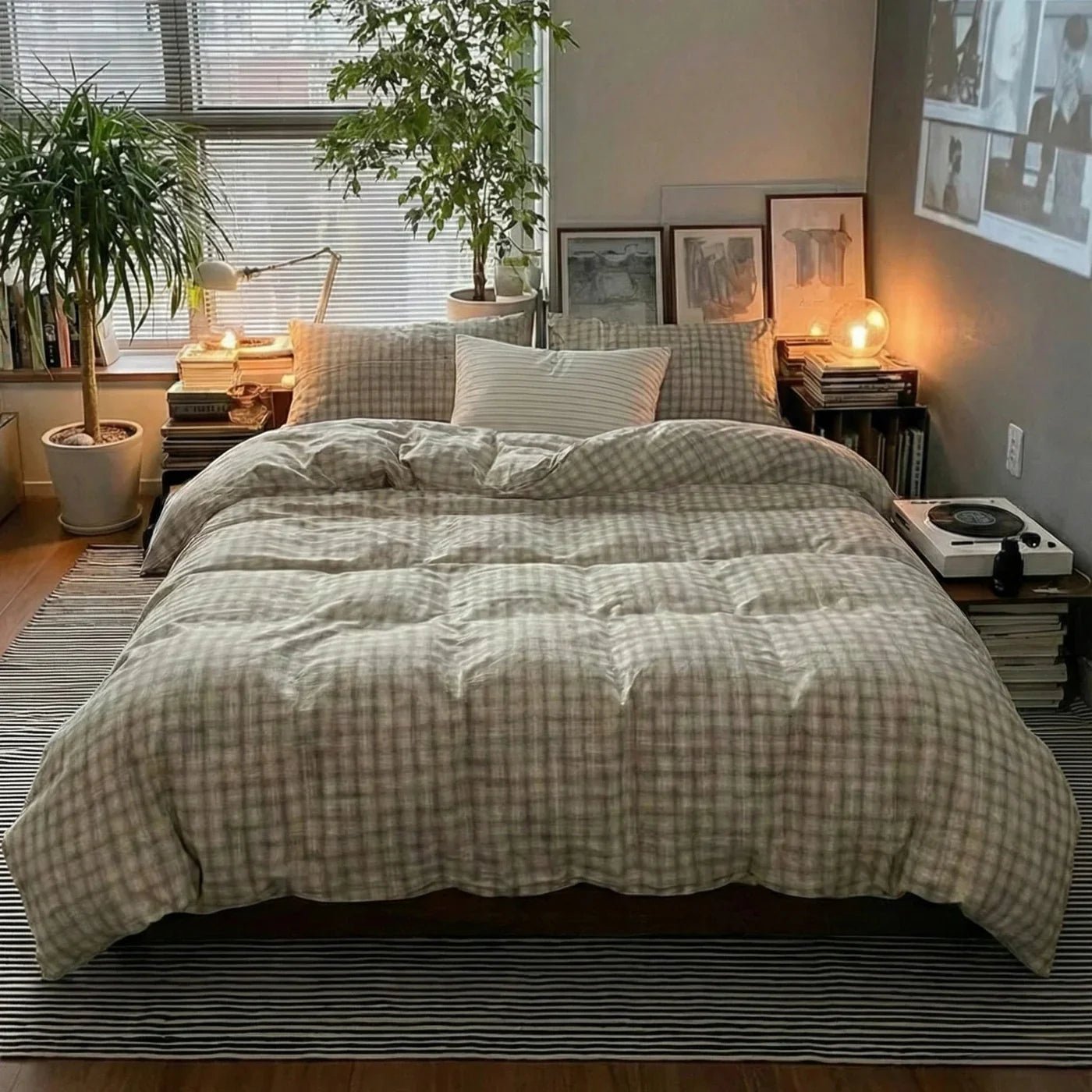
An Ever Lasting Fabric Guide: How To Choose Materials Intentionally


Why fabric matters
Fabric is the first point of contact between our bodies and the spaces we inhabit. Before color, before design, before style, we register texture, temperature, and weight. Fabric influences how we sleep, how we rest, and how at ease we feel throughout the day. A breathable fabric can make a warm night feel tolerable; a heavier one can offer a sense of security and calm.
Understanding fabric is not about technical jargon, but about knowing how a material will show up in daily life — how it feels on the skin, how it responds to the seasons, and how it subtly shapes our emotional experience of comfort.
Understanding Fabric: A Simple Foundation
Every fabric begins with a fiber, and how that fiber is woven or finished determines how it behaves. Natural fibers like cotton and linen tend to breathe easily and soften over time, while newer fibers like TENCEL™ are engineered to enhance smoothness and moisture control. Some materials insulate by trapping air, while others encourage airflow and heat release.
These properties affect more than physical comfort. Fabrics that breathe well often feel mentally “lighter,” while denser fabrics can feel grounding and protective. This is why two materials can look similar but feel entirely different once you live with them.
For a deeper dive into everyday materials available at Ever Lasting, take a look at Fabric Guide: Understanding Cotton, Linen & Velvet.
Understanding Fabric: A Simple Foundation


Cotton: Familiar Comfort and Everyday Ease
Cotton is a natural fiber derived from the cotton plant and is prized for its balance of softness, breathability, and durability. It absorbs moisture well and allows air to circulate, making it suitable for daily, year-round use. Cotton is also resilient; it withstands frequent washing and tends to soften rather than break down over time.
Emotionally, cotton feels safe and familiar. It’s the fabric many of us associate with home, routine, and ease. There’s nothing demanding about cotton; it doesn’t ask to be styled or cared for in a particular way. On the body or in the home, cotton creates a sense of quiet reliability where comfort that fades into the background and allows you to relax fully.
- Across seasons, cotton adapts well. It feels breathable enough for warmer months while still providing a sense of substance in cooler weather. For those seeking a dependable fabric that works in almost any context, cotton is often the most intuitive choice, and the Felix Pure Cotton Bedding Set is a great option.


Linen: Airy Lightness and Natural Freedom
Linen is made from the flax plant and is known for its exceptional breathability and strength. Its fibers are naturally thicker than cotton’s, and the weave is typically looser, allowing heat and moisture to escape quickly. Linen dries fast and grows softer with time, though it retains its distinctive texture.
The emotional experience of linen is one of freedom and ease. It feels light, open, and slightly imperfect, a fabric that embraces movement and air rather than structure. Linen doesn’t cling, which makes it feel cooling and liberating, especially in warm or humid conditions. Its natural wrinkles signal relaxation rather than disorder, giving linen a lived-in, unforced character.
- Seasonally, linen shines in spring and summer, particularly for those who run warm or live in hotter climates. In cooler months, it layers well but is rarely chosen for warmth alone. Linen is best for people who value breathability, texture, and a sense of effortlessness over polish. If this interests you, then the Esme French Linen Cotton Embroidered Floral Bedding Set is a great option.


TENCEL™: Fluid Softness and Modern Calm
TENCEL™, a branded form of lyocell, is made from sustainably sourced wood pulp, often eucalyptus. The fibers are produced through a closed-loop process that minimizes waste and environmental impact. Structurally, TENCEL™ fibers are smooth and uniform, which gives the material its signature softness and fluid drape.
On the skin, TENCEL™ feels cool, silky, and almost weightless. Emotionally, it evokes calm and clarity, a sense of modern comfort that feels clean and intentional. Because it manages moisture so effectively, it often feels fresher for longer, which can contribute to a subtle sense of ease and confidence, especially for sensitive or heat-prone sleepers.
- TENCEL™ performs well throughout the year, adapting to changes in temperature and humidity. It’s especially suited for people who overheat easily or prefer fabrics that feel smooth and non-irritating. For those drawn to softness without heaviness, TENCEL™ offers a refined, contemporary form of comfort. A set that encapsulates all of this is the Emmett TENCEL™ Bedding Set


Velvet: Warmth, Depth, and Emotional Richness
Velvet is defined by its construction rather than its fiber. Its dense, cut pile creates a plush surface that traps air and reflects light in a way that gives velvet its depth and richness. Because of this structure, velvet tends to be warmer and more insulating than flatter fabrics.
Emotionally, velvet is deeply expressive. It feels indulgent, protective, and intimate, a fabric that invites touch and signals rest. Velvet often carries a sense of drama or luxury, but at its core, it provides warmth and emotional grounding. It’s the material we turn to when we want to feel cocooned, held, or comforted.
- Velvet is best suited for cooler seasons and environments where warmth is welcome. It’s not designed for breathability, but rather for creating atmosphere and insulation. For those who crave coziness and tactile richness, velvet offers a powerful emotional and sensory experience. The Jacquard Gilded Velvet Ruffled Bedding Set provides a great combination of warmth and elegance.
Fabric Guide: Discover more favorites...
How to Read Fabric Information


Fabric descriptions often list technical terms (breathable, soft, durable, cooling), but these words only become useful when you understand what they mean in practice. At its core, every fabric is defined by two things: the fiber it’s made from and how that fiber is constructed. Fiber determines the material’s natural tendencies, while construction determines how those tendencies are expressed.
Natural plant fibers like cotton and linen tend to allow air to move freely, which supports breathability and temperature regulation. Some fibers absorb moisture and hold it, while others pull moisture away from the body so it can evaporate quickly. This difference affects not only physical comfort, but how a fabric feels over time, whether it feels fresh or heavy, light or clingy.
Weight and density also play a major role. Lightweight fabrics generally feel cooler and less restrictive, while denser fabrics trap air and provide insulation. Neither is inherently better; they simply serve different needs. A fabric that feels substantial can create a sense of comfort and security, while a lighter fabric can feel mentally and physically freeing.

Another important factor is how fabric changes with use. Some materials soften and relax over time, others maintain structure, and some develop a visible patina. Understanding this helps set expectations, whether you’re choosing something that will feel polished long-term or something that becomes more lived-in and personal with wear.
Reading fabric information, then, is less about decoding marketing language and more about imagining how the material will behave in your daily life: how it will feel at the end of a long day, in different seasons, and against your skin over time.
Discover more sustainable bedding for your room
Choosing Fabric by Feel, Season, and Emotion


Choosing fabric is often framed as a practical decision, but it is just as emotional as it is functional. The way a fabric feels against the body can influence how relaxed, grounded, or alert we feel in a space. Some materials invite stillness and rest, while others support movement and lightness.
Season is the most obvious factor. In warmer months or climates, fabrics that encourage airflow and release heat tend to feel more comfortable and less mentally taxing. Linen and TENCEL™, for example, create a sense of openness and ease, reducing the feeling of being weighed down. In cooler seasons, denser fabrics like cotton weaves or velvet provide insulation and a feeling of warmth that can be deeply comforting.

But emotion plays an equally important role. If you crave familiarity and simplicity, cotton often feels right, it blends into daily life without demanding attention. If you value freedom, texture, and a natural rhythm, linen’s relaxed character may resonate more deeply. For those drawn to calm, smoothness, and modern refinement, TENCEL™ offers a gentle, almost meditative softness. And when comfort is tied to warmth, depth, and emotional richness, velvet creates a cocooning effect that feels both protective and indulgent.
The best fabric choice is one that aligns with how you live and how you want to feel. Comfort is not one-size-fits-all; it’s shaped by climate, routine, sensory preference, and emotional need. When fabric supports all of these elements, it stops being something you notice and starts being something you rely on.
Find more of Ever Lastings cotton fabrics here...
Fabric Guide Final Thoughts: Fabric Is the First Signal

At its best, fabric becomes something you no longer have to think about. It supports your body, responds to the seasons, and quietly shapes how a space or garment feels to live in. Whether you’re drawn to the familiarity of cotton, the airy ease of linen, the fluid calm of TENCEL™, or the warmth and depth of velvet, each fabric offers its own balance of comfort and emotion. Choosing thoughtfully allows fabric to move beyond surface-level aesthetics and become part of your daily rhythm — not just something you see or touch, but something that helps you feel at ease, grounded, and at home.
Explore our Shop by Fabric Collection, designed with sustainable options to support the body’s natural transitions through breathable materials, calming textures, and rest-first construction.


Fabric Guide: Summary
Each fabric serves a different function and provides a different experience; knowing the differences helps tailor the way you experience your room.
Knowing the benefits of each fabric can help your body relax in ways that you may not be aware of.
Knowing what fabrics to look for and what they mean when choosing a product is crucial in the long term.
More Fabric Guides:


FAQs
What type of bedding fabrics are best for the winter and holiday season?
Flannel, brushed cotton, and linen blends are ideal — they’re cozy, breathable, and keep warmth without overheating.
How do I layer bedding for colder nights?
Start with soft cotton sheets, add a mid-weight duvet, and top with a textured throw or blanket. Mixing materials adds both warmth and visual depth.
What makes a bedding set a good gift for the holidays?
Look for high-quality fabrics, timeless colors, and soft textures. Gift sets that come in elegant packaging or with coordinating pieces feel more thoughtful.
How can I style holiday bedding without it looking too over-the-top?
Choose subtle festive tones (warm neutrals, deep reds, forest greens) and pair them with solid or textured layers instead of bold prints.
Anything we missed?
Thanks for reading till the end — we hope it brought a little calm and inspiration to your day.
Discover more: Inspiration Blog • New Arrivals •
Stay tuned for our next story, or share this one to spread the calm.
• Share your makeover moments with #EverLastingMakeover and tag @EverLastingFabric
Connect with us:
modern man modern man modern man modern man modern man modern man modern man modern man modern man modern man modern man modern man