The Power of Fabric: How Bedding Materials Shape Rest and Recovery

When Fabric Stops Supporting the Body
For many people, fabric is treated as a finishing detail. Something chosen last, after color and style. But in reality, fabric is the first point of contact between the body and rest. Long before the brain evaluates comfort, the nervous system is already responding to texture, airflow, weight, and friction. When fabric is poorly matched to the body’s needs, sleep becomes lighter and recovery less complete. Overheating, subtle constriction, or synthetic resistance keeps the nervous system in a low-grade state of alert. The body may lie still, but it never fully lets go.
People often attribute restless sleep to stress or routine, without realizing that fabric is part of the signal environment. The issue is not aesthetic preference; it is biological feedback. The skin is one of the body’s largest sensory organs, and it is constantly communicating with the brain.
Fabric teaches the body what kind of night to expect. The brain learns through repeated sensory exposure. Over time, certain textures become associated with ease, while others signal effort or containment. When sleep surfaces consistently send mixed or stimulating signals, the body adapts by staying lightly vigilant, even at rest.
The problem is not the bedroom itself. It is the absence of fabrics that clearly communicate safety, breathability, and release. What follows is a framework for understanding how fabric works at a nervous system level, and how to choose materials that actively support rest.
Fabric Foundations: Why Material Choice Comes First


One of the most common reasons bedding fails to improve sleep is that fabric is chosen visually rather than sensorially. From the body’s perspective, softness alone is not enough. What matters is how fabric behaves under pressure, heat, and movement.
The nervous system relies heavily on tactile consistency. Fabrics that trap heat, cling, or resist movement keep muscles subtly engaged. Even when the mind is tired, the body remains active.
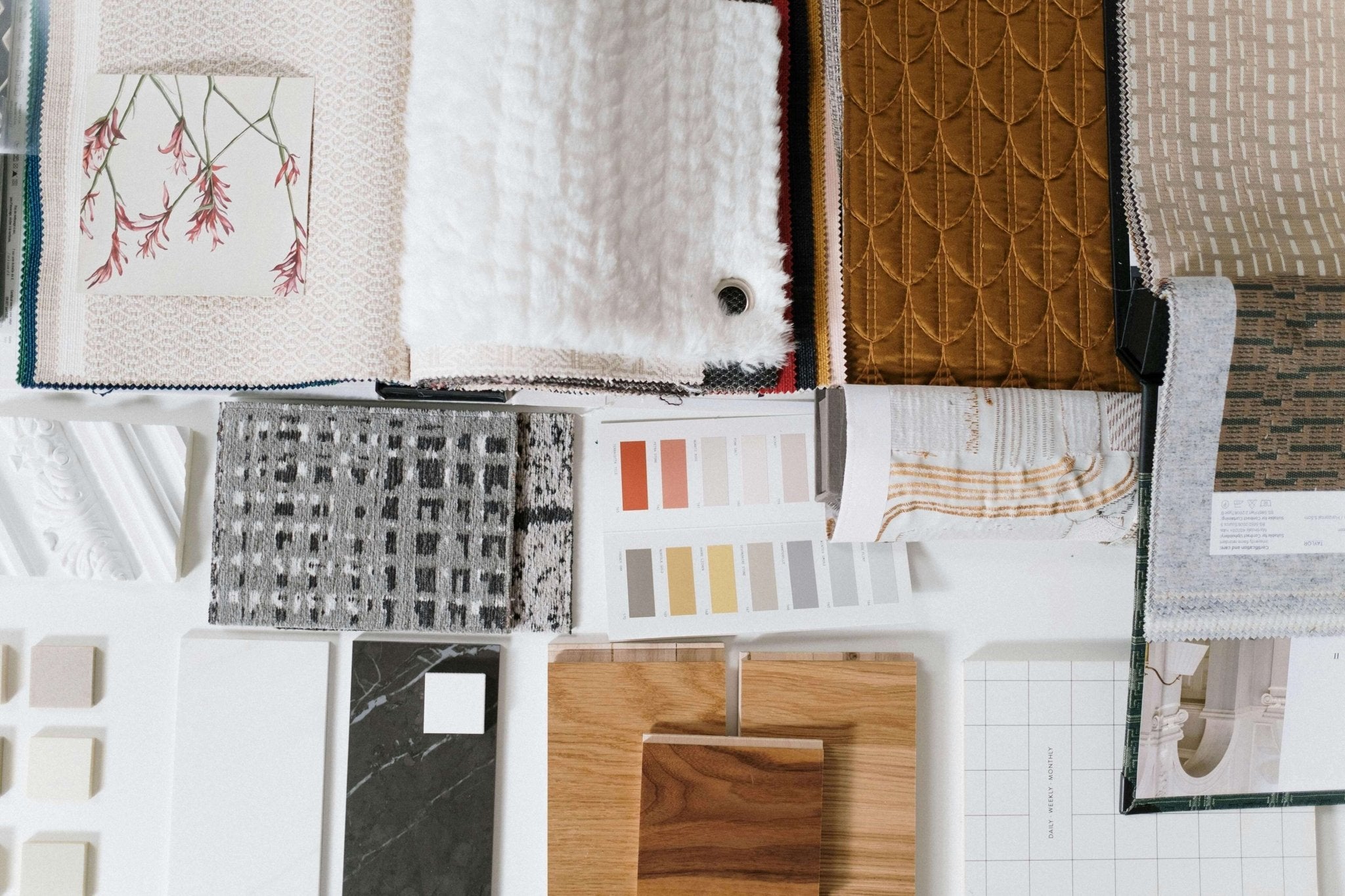
Research in sensory processing shows that the body responds most favorably to materials that allow micro-adjustments. Breathable cottons, gauze weaves, and lightly structured knits permit constant airflow and motion, which lowers baseline alertness.


This is where sleepwear plays a critical role.
Changing into garments made from rest-specific fabrics becomes a physical transition cue.
Lightweight cotton pajama sets, like Sage White Lace Ruffle Cottage Pajama Set, introduce softness without compression. The body immediately experiences a shift in pressure and temperature.
Layering reinforces this signal. A robe worn only during rest hours acts as a boundary object. The Quiet Evening Striped Robe Set / Burgundy, with its gentle weight and relaxed drape, adds warmth without trapping the body. Wrapping fabric around the torso creates a sensation of containment without restriction, a key cue for nervous system downshifting.
Consistency matters more than the item itself. When specific fabrics are reserved exclusively for rest, the body learns the association automatically.
Discover more fabrics here...
Use Texture to Communicate Safety


Safety is not a thought, it is a sensation. Texture is one of the fastest ways the body decides whether it can rest or must stay alert. Certain tactile qualities consistently lower physiological arousal. These textures share common traits: softness without cling, gentle weight without compression, and dimensional surfaces that engage the skin evenly.
- Flat or overly rigid fabrics can feel visually calming while remaining biologically stimulating. In contrast, woven or lightly textured materials provide continuous, low-level sensory input that helps stabilize the nervous system.

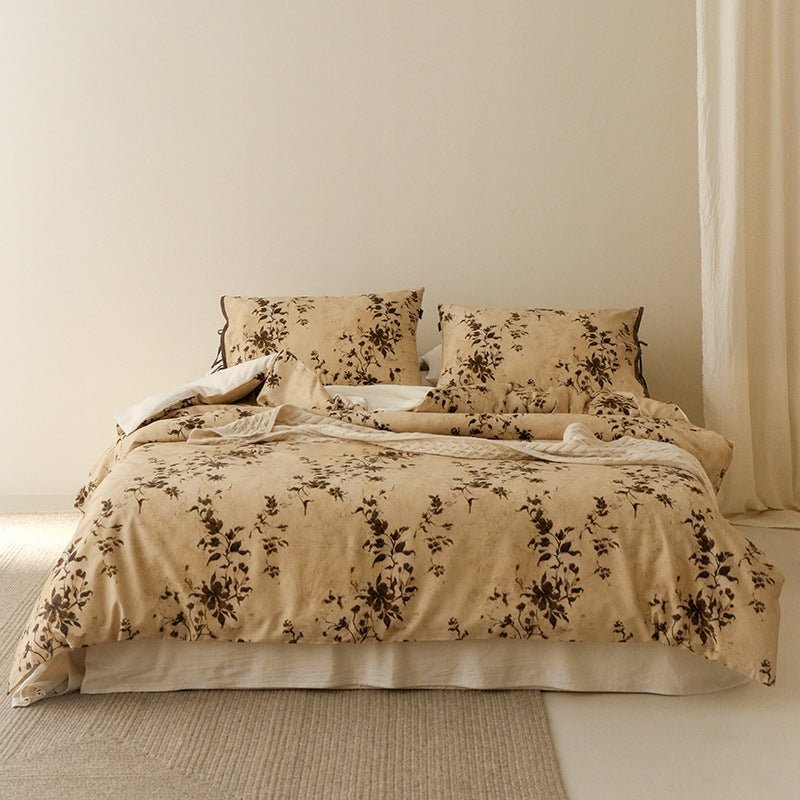
Throws and comforters function as ongoing communicators. The Elliot Pure Cotton Bedding Set offers subtle contact points across the skin through its intricate weaving, creating grounded stillness without heaviness. Used across the shoulders or torso, it reinforces a sense of presence and ease.
For longer periods of rest, breathability becomes essential. The Plant-Based Duvet Insert Comforter drapes naturally, maintaining warmth while allowing heat to dissipate. This balance prevents nighttime micro-waking caused by temperature regulation.
Fabric choices like these do not force relaxation. They invite it, repeatedly, night after night.
Find more fresh fabrics for your room
Fabric and Temperature: Let the Body Regulate


Temperature regulation is one of the body’s most demanding nighttime tasks. When fabric interferes, the nervous system compensates by staying alert.
Breathable sheets and bedding reduce the body’s workload. Natural fibers such as cotton and Tencel wick moisture and adapt to micro-changes in heat. This allows the body to settle without frequent adjustments.
- Sheets that cling or trap warmth disrupt this process. Even subtle resistance can keep muscles engaged. In contrast, smooth, breathable surfaces support effortless repositioning and deeper stillness.
Fabric is not passive. It actively participates in how rest unfolds.
Find similar fabrics here...
Protect the Bed With Rest-Only Materials


The bed carries powerful associative meaning. When sleep surfaces feel distinct, visually and tactually, the body recognizes the boundary immediately.
- Cotton-linen bedding works because it behaves differently. The Helena Jacquard Throw Blanket introduces airflow, texture, and softness without structure. Its naturally crinkled surface discourages rigidity, signaling release upon contact.
Beneath it, supportive layers matter. Together, these layers create a consistent sensory environment that reinforces the bed’s role as a recovery zone.
Over time, the body relearns what the bed is for: not effort, not stimulation, but rest.
More ways to enhance your sensory experience...
Final Thoughts: Fabric Is the First Language of Rest

Rest cannot be forced. It emerges when the environment speaks clearly to the body. Fabric is one of the most powerful parts of that language.
When materials are chosen to breathe, drape, and soften rather than restrict, the nervous system responds naturally. Sleep becomes less fragile. Recovery deepens. Mornings arrive with less resistance.
Fabric is not decoration. It is communication.
Explore our Shop by Fabric Collection, designed with sustainable options to support the body’s natural transitions through breathable materials, calming textures, and rest-first construction.


Summary
The fabric you choose influences the way you rest, not just on a mental level but also on a biological one.
Adding fabric that calms the nervous system helps your body relax in ways that you may not be aware of
Repeated exposure to the right fabrics can help our bodies regulate and learn automatic relaxation processes.
Read More Here:


FAQs
What type of bedding fabrics are best for the winter and holiday season?
Flannel, brushed cotton, and linen blends are ideal — they’re cozy, breathable, and keep warmth without overheating.
How do I layer bedding for colder nights?
Start with soft cotton sheets, add a mid-weight duvet, and top with a textured throw or blanket. Mixing materials adds both warmth and visual depth.
What makes a bedding set a good gift for the holidays?
Look for high-quality fabrics, timeless colors, and soft textures. Gift sets that come in elegant packaging or with coordinating pieces feel more thoughtful.
How can I style holiday bedding without it looking too over-the-top?
Choose subtle festive tones (warm neutrals, deep reds, forest greens) and pair them with solid or textured layers instead of bold prints.
Anything we missed?
Thanks for reading till the end — we hope it brought a little calm and inspiration to your day.
Discover more: Inspiration Blog • New Arrivals •
Stay tuned for our next story, or share this one to spread the calm.
• Share your makeover moments with #EverLastingMakeover and tag @EverLastingFabric
Connect with us:
modern man modern man modern man modern man modern man modern man modern man modern man modern man modern man modern man modern man