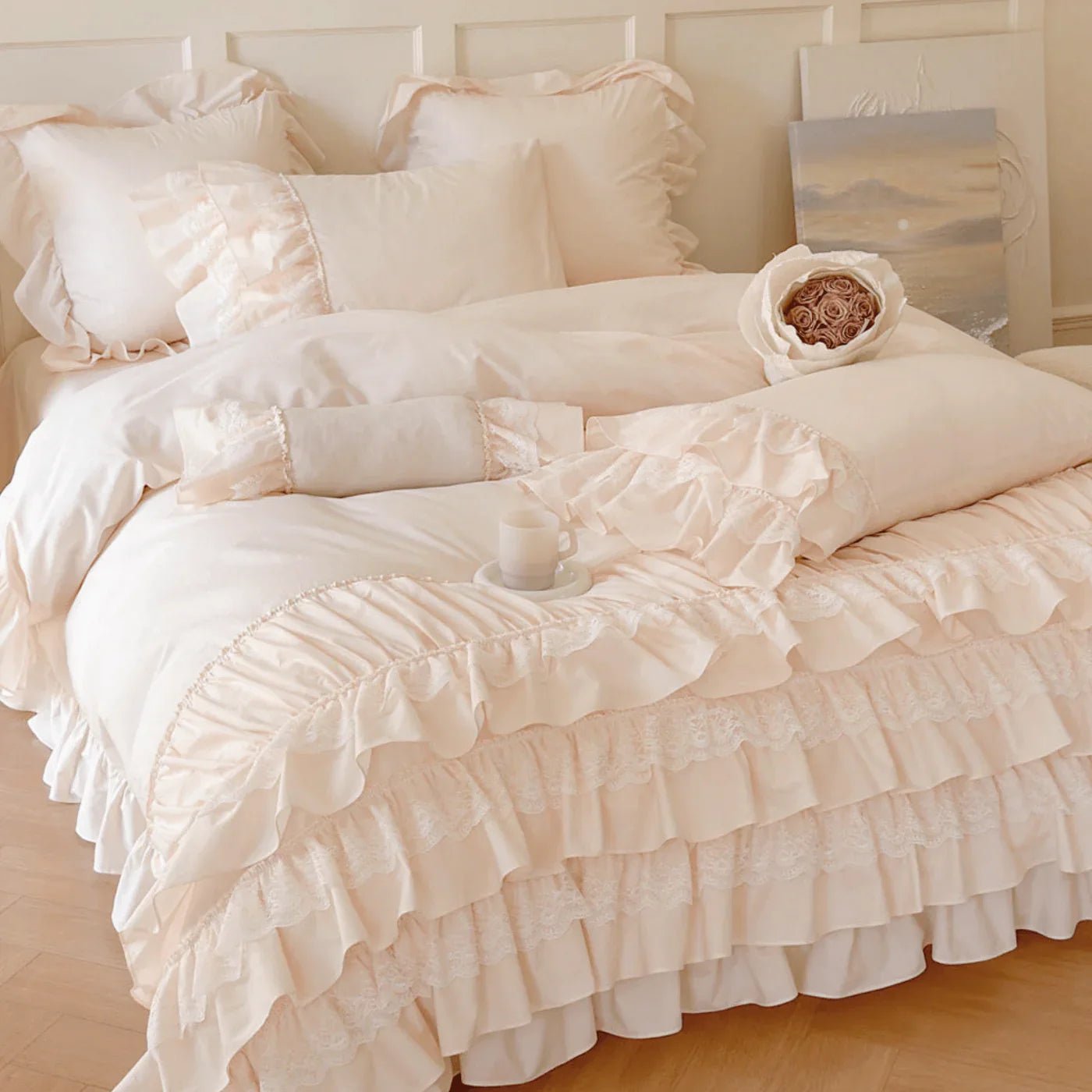
The Soft Living Guide: How to Create a Peaceful Bedroom With Ruffle & Lace Details

There is a quiet luxury in slowing down—an intentional return to softness, presence, and emotional ease. In the bedroom, this philosophy becomes deeply personal. Ruffles, lace, and gentle textures do more than decorate a space; they soften the nervous system, invite rest, and transform daily rituals into moments of care. This is the essence of soft living—a lifestyle rooted in comfort, beauty, and calm intention.
A peaceful bedroom designed through soft living prioritizes how you feel the moment you step inside. Light filters gently across layered bedding. Fabrics whisper against skin. The space feels held, warm, and deeply restorative. Below, we explore how ruffle and lace details—paired with plush textures and thoughtful accents—can create a sensual, wellness-focused retreat grounded in soft living principles.
Table of Contents
Topic 1: Bedding as the Foundation of Soft Living


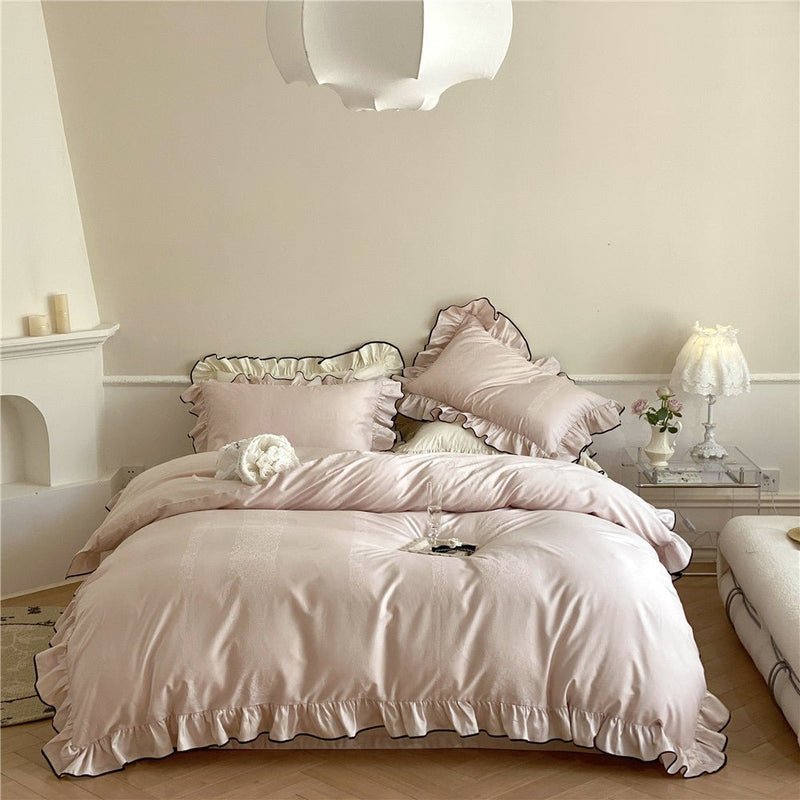
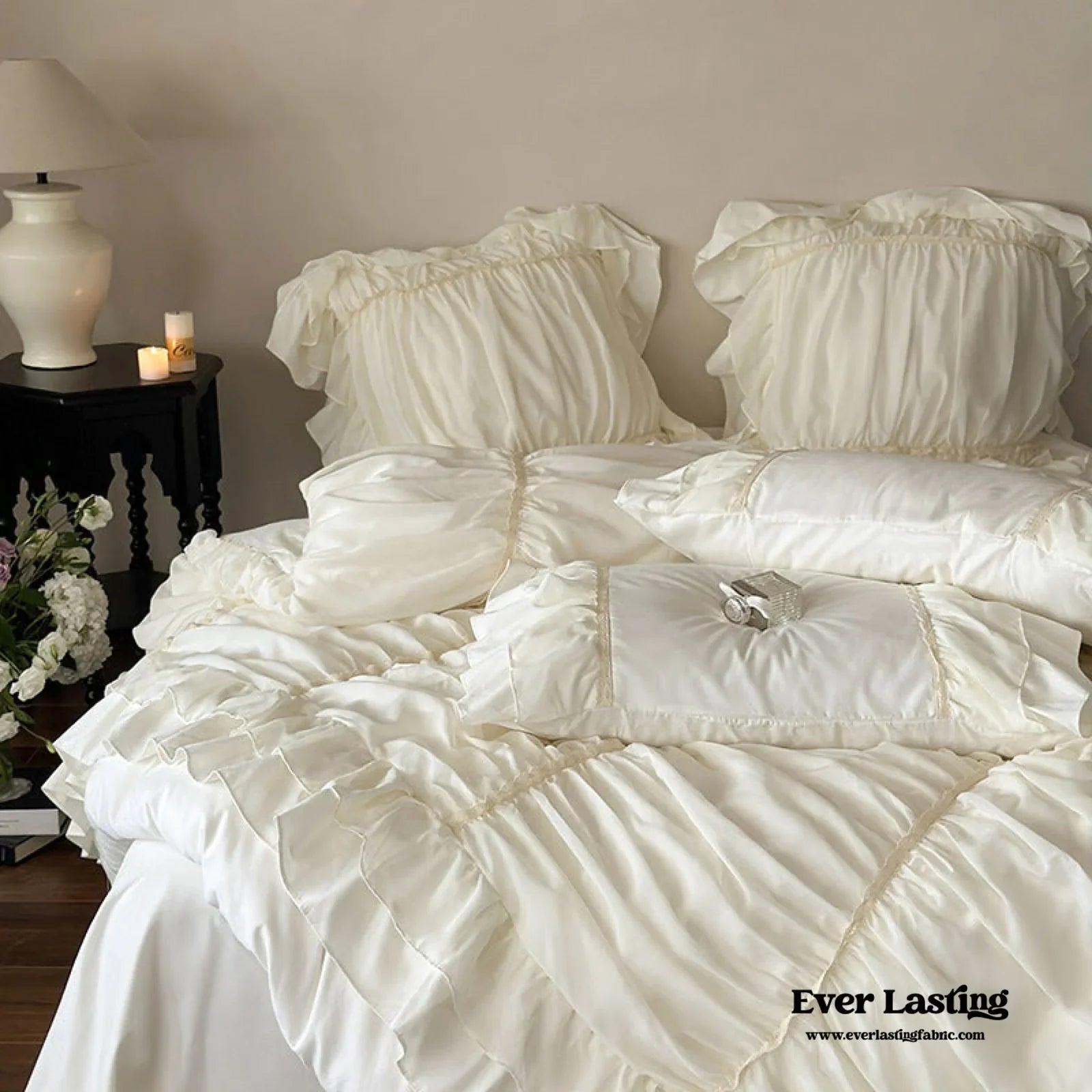
The bed is the emotional center of the bedroom. To embrace soft living, start with bedding that feels indulgent yet serene. Ruffled duvets, lace-trimmed pillowcases, and softly gathered sheets bring movement and romance without excess.
Choose breathable fabrics—washed cotton, linen blends, or sateen—that drape naturally and invite touch. Subtle ruffle edges add visual softness, while lace detailing introduces delicacy and heirloom charm. Neutral palettes—ivory, blush, warm sand—allow texture to shine and keep the mood calm.
In soft living, bedding isn’t about perfection; it’s about ease. Slightly undone layers feel welcoming and lived-in, encouraging rest rather than rigidity.


Key elements to focus on:
Ruffled or gathered duvet covers for softness and movement
Lace-trimmed pillowcases or shams for subtle romance
Breathable, natural fabrics that feel gentle on the skin
Neutral, warm tones that promote calm and balance
Begin your soft living bedroom with a bedding set that feels as gentle as it looks.
Topic 2: Lace Details That Create Quiet Romance


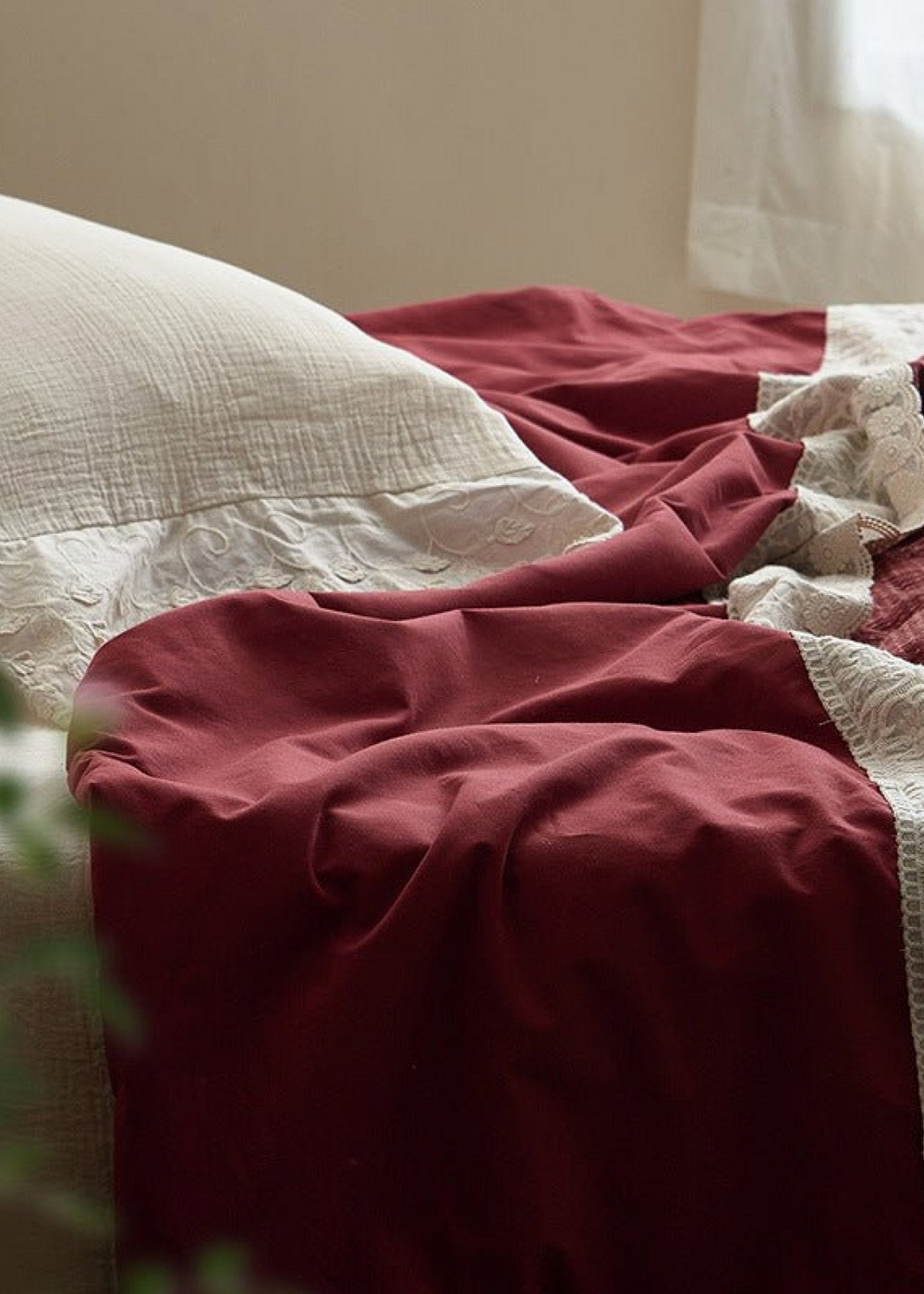
Lace has a unique emotional language—it signals care, tradition, and intimacy. In a soft living bedroom, lace details should feel light and intentional, never heavy or overpowering.
Think lace-trimmed shams, delicate bed skirts, or sheer curtains that diffuse morning light. These elements soften architectural lines and create a cocoon-like atmosphere. When paired with simple silhouettes, lace adds refinement without visual noise.
In the context of soft living, lace becomes a sensory layer—something that invites pause, reflection, and a slower pace of being.


Ways to incorporate lace softly:
Sheer lace curtains to filter natural light
Lace-edged bedding for understated elegance
Vintage-inspired lace accents with modern shapes
Minimal use to maintain a calm, breathable space
Introduce lace accents to add softness and romantic calm to your soft living bedroom.
Topic 3: Pajamas as an Extension of the Bedroom Experience


True soft living doesn’t stop at décor—it extends to what touches your body. Pajamas play a vital role in shaping nighttime rituals and emotional comfort. Soft cotton nightgowns, ruffled pajama sets, or lace-trimmed sleepwear blur the line between loungewear and luxury.
Choosing pajamas that echo your bedding’s textures creates cohesion and intentionality. Slipping into something soft signals the body that it’s safe to rest. This nightly transition is a powerful soft living practice—one that prioritizes care over productivity.
When sleepwear feels beautiful and comfortable, rest becomes an act of self-respect.


Soft living sleepwear details to look for:
Lightweight, breathable fabrics for uninterrupted rest
Ruffles or lace that feel gentle, not restrictive
Relaxed silhouettes that move with the body
Neutral or muted tones that calm the senses
Elevate your evenings with pajamas designed for soft living comfort.
Topic 4: Accent Pieces That Support Emotional Calm


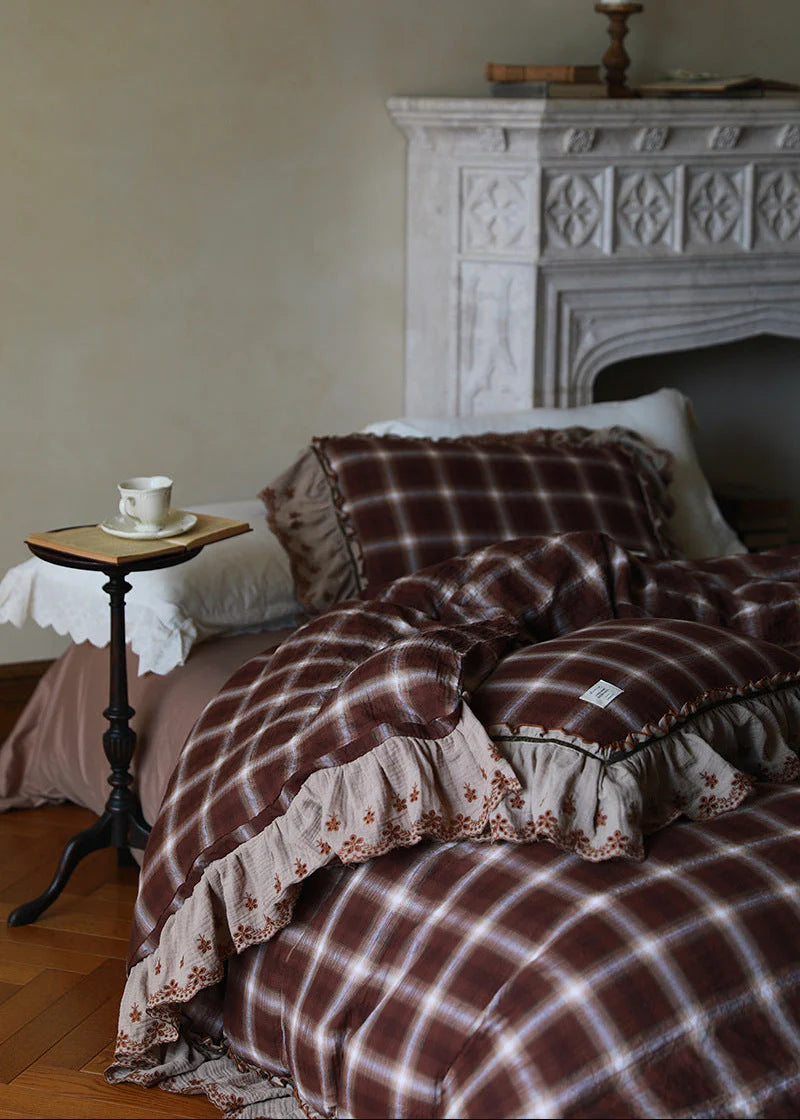
A soft living bedroom is shaped by its quiet details. Accent pieces—ruffled throw blankets, lace-trimmed cushions, upholstered benches—add depth without clutter. These items should invite touch and create visual rhythm.
Opt for curved silhouettes, plush textures, and warm finishes. Avoid sharp contrasts or overly bold patterns. In soft living, every accent serves a purpose: to ground, soothe, and gently enrich the space.
Even functional items—bedside stools, storage baskets, or vanity chairs—can reflect softness through fabric choice and form.


Accent ideas that align with soft living:
Ruffled or quilted throws draped casually
Lace or embroidered accent pillows
Upholstered seating with rounded edges
Soft storage pieces that blend beauty and function
Layer your soft living space with accents that bring warmth, softness, and emotional ease.
Topic 5: Creating a Sensory Ritual Through Texture


Texture is the language of soft living. When ruffles, lace, and plush materials work together, they create a multi-sensory environment that supports wellness. The gentle resistance of a quilt, the airy feel of lace curtains, the warmth of a soft rug under bare feet—each sensation reinforces calm.
Limit synthetic finishes and prioritize natural, breathable materials. Let the room feel tactile, not staged. In soft living, comfort is the highest form of sophistication.
This intentional layering transforms the bedroom into a restorative ritual space rather than just a place to sleep.


Textures that enhance sensory calm:
Layered quilts and duvets for gentle weight
Lace and sheer fabrics for visual softness
Plush rugs or mats for barefoot comfort
Natural fibers that regulate temperature and touch
Curate textures that make your soft living bedroom feel like a sanctuary.
Conclusion: A Bedroom Designed for Soft Living
A peaceful bedroom is not defined by trends, but by how deeply it supports rest and emotional well-being. Through ruffles, lace, and thoughtfully chosen textures, soft living invites you to reconnect with comfort and quiet beauty.
This approach honors slowness. It embraces gentleness. And it transforms the bedroom into a space where you can exhale fully at the end of the day.
Final Thoughts
By embracing soft living, your bedroom becomes a place of care, romance, and restoration—designed to support both body and mind.
Ruffled and lace-trimmed bedding creates visual and emotional softness
Pajamas become part of the wellness ritual, not an afterthought
Accent pieces and layered textures support calm without excess
Sensory details encourage deeper rest and mindful slowing down
Neutral palettes allow softness and texture to take center stage
Gentle materials help regulate the nervous system and promote ease
Intentional design transforms the bedroom into a daily act of self-care
Looking For more Soft Living Ruffles?


Quick Bedding FAQ:
When is the best time to switch to holiday bedding?
Late November or early December is ideal. It aligns with cooler weather and the start of festive décor season.
What type of bedding fabrics are best for the winter and holiday season?
Flannel, brushed cotton, and linen blends are ideal! They’re cozy, breathable, and keep warmth without overheating.
How do I layer bedding for colder nights?
Start with soft cotton sheets, add a mid-weight duvet, and top with a textured throw or blanket. Mixing materials adds both warmth and visual depth.
What makes a bedding set a good gift for the holidays?
Look for high-quality fabrics, timeless colors, and soft textures. Gift sets that come in elegant packaging or with coordinating pieces feel more thoughtful.
Thanks for staying till the end
Thanks for reading till the end — we hope it brought a little calm and inspiration to your day.
Discover more: Inspiration Blog • New Arrivals •
Stay tuned for our next story, or share this one to spread the calm.
• Share your makeover moments with #EverLastingMakeover and tag @EverLastingFabric
Connect with us: